
Curated wellness reading path
Support Muscle Health
Build the nutritional picture through protein intake and foods before comparing EAA and BCAA formats.
What this goal means
This path concerns the nutritional foundation for maintaining muscle: dietary protein, food sources, and the distinction between intact protein and amino acid products. It starts with adequacy before moving to supplement formats.
Nutrition is the broader category. Support Recovery emphasizes timing around training; Muscle Health gives the daily intake and complete amino acid picture priority. Neither path treats soreness or a symptom list as a diagnosis of deficiency.
Browse the category for the full food and intake collection rather than this muscle-oriented route. Nutrition archive.
Start here
- How Much Protein Do You Need Per Day? A Practical Guide for Adults
Establish the intake question before choosing an amino acid format.
- Foods High in Essential Amino Acids: Compare Real Meal Portions
Locate useful food sources within ordinary meals.
Nutrition
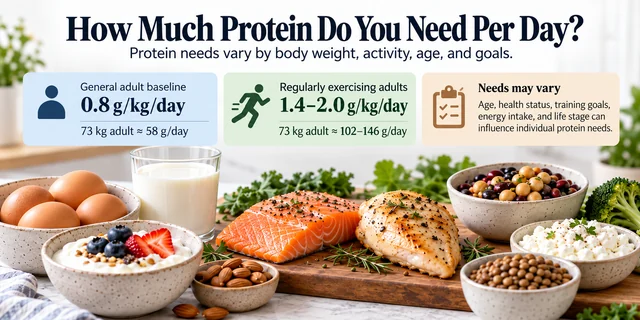
How Much Protein Do You Need Per Day? A Practical Guide for AdultsLearn how much protein adults generally need per day, how to calculate a baseline intake, why active people may need more, and how food quality, distribution, and training goals fit into the bigger picture.
Planet Wellness Report · Sep 28, 2026
Nutrition
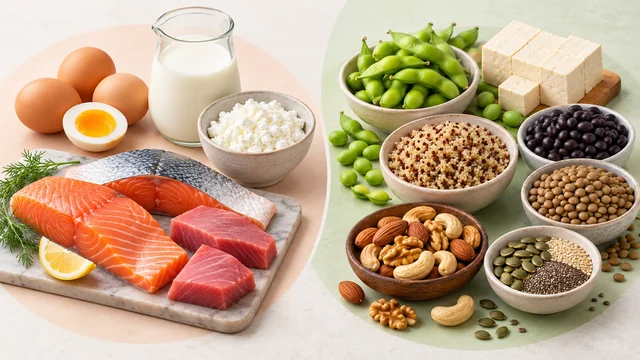
Foods High in Essential Amino Acids: Compare Real Meal PortionsCompare eggs, yogurt, chicken, tofu, beans, and rice using stated portions and USDA data. See why all nine EAAs does not make every serving equivalent.
Planet Wellness Report · Sep 26, 2026
Explore by topic
Compare the nutritional formats
Understand the complete EAA set before considering a BCAA-only product.
Nutrition
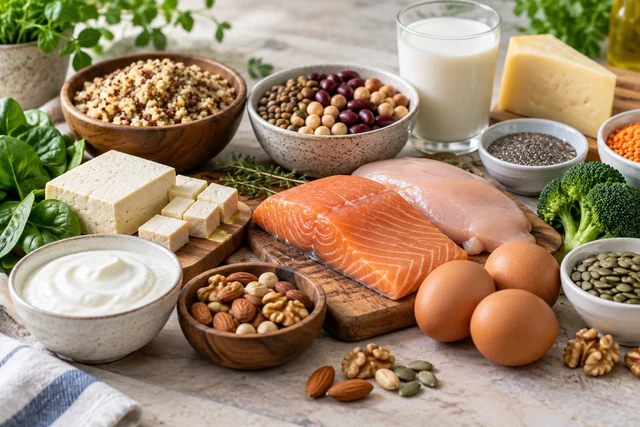
Essential Amino Acids: What They Are, Why They Matter, and Food SourcesEssential amino acids must come from the diet, but that does not mean everyone needs a supplement. Learn how EAAs relate to protein, BCAAs, food quality, muscle protein synthesis, and exercise recovery.
Planet Wellness Report · Sep 21, 2026
Nutrition
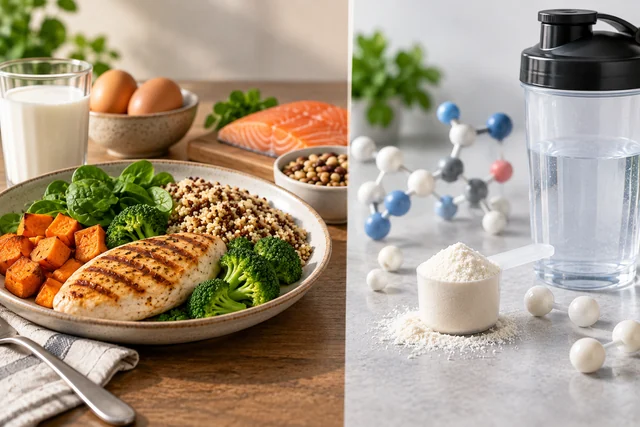
Protein vs. Essential Amino Acids: What’s the Difference?Protein and essential amino acids overlap, but they are not nutritionally identical. Learn how foods, protein powders, and EAA supplements differ—and why faster absorption does not automatically mean better results.
Planet Wellness Report · Sep 21, 2026
Nutrition
BCAA vs. EAA: Comparing Muscle Protein Synthesis, Recovery, and Practical UseBCAAs are part of the EAA family. Compare amino acid completeness, muscle protein synthesis, soreness, and practical use without assuming a universal winner.
Planet Wellness Report · Oct 6, 2026
Apply the context
Timing and symptoms require interpretation alongside the overall diet.

Nutrition
Protein for Muscle Health and Recovery: How Much Does Timing Really Matter?Total daily protein matters more than chasing a 30-minute window, but timing can still be useful. Learn how pre-workout meals, post-workout protein, distribution, and optional pre-sleep intake fit into muscle recovery.
Planet Wellness Report · Sep 21, 2026
Nutrition
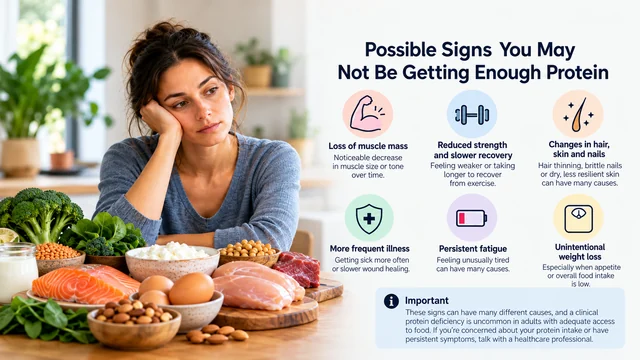
Signs You’re Not Getting Enough Protein: What to Watch ForLearn about possible signs of inadequate protein intake, including muscle loss, reduced strength, fatigue, hair or nail changes, unintended weight loss, and severe malnutrition signs—and why symptoms alone cannot diagnose protein deficiency.
Planet Wellness Report · Sep 29, 2026
Suggested reading order
Begin with daily intake and foods, then compare protein and amino acid formats. Read timing guidance after the nutritional foundation.
Related ingredients
Follow the ingredient definitions to compare roles and preparations, rather than treating them as interchangeable products.
More from this collection

Healthy Aging
How Muscle Mass Changes With Age—and What Actually Helps Preserve ItMuscle mass, strength and function change differently with age. Use an evidence-informed order of priorities to decide what to address first.
Planet Wellness Report · Oct 22, 2026
Nutrition
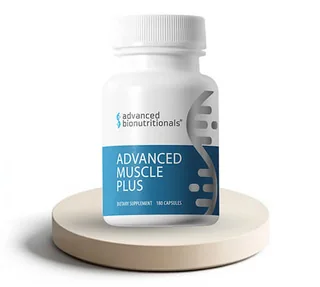
Advanced Muscle Plus Review: Where the Doses Match Research—and Where They Don’tThe dileucine amount resembles small human studies, but Advanced Muscle Plus has no verified finished-formula trial and conflicting official vitamin D information.
Planet Wellness Report · Oct 21, 2026

Nutrition
HMB for Muscle Loss, Strength, and Recovery: What Human Research Actually ShowsHMB research differs across lifters, older adults, and clinical settings. Separate muscle size, strength, soreness, biomarkers, and function before judging a claim.
Planet Wellness Report · Oct 18, 2026

Nutrition
Creatine Monohydrate for Muscle and Strength: What the Research Actually ShowsCreatine monohydrate can support some training outcomes. Separate strength, hypertrophy, lean mass, and water changes—and understand the safety evidence.
Planet Wellness Report · Oct 17, 2026
Nutrition
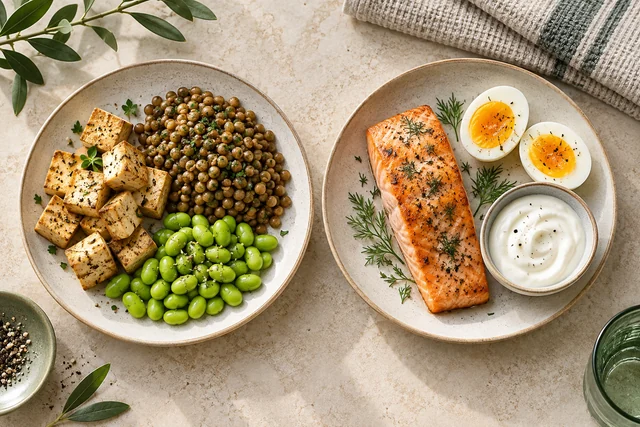
Plant Protein vs Animal Protein for Muscle: Amino Acids, Digestibility, and Real-World ResultsCompare plant and animal protein for muscle using amino acids, digestibility, acute MPS and longer-term mass and strength evidence.
Planet Wellness Report · Oct 15, 2026

Nutrition
Protein Quality Explained: DIAAS, PDCAAS, Amino Acids, and What the Scores Really MeanUnderstand DIAAS and PDCAAS, limiting amino acids, digestibility and why technical protein quality does not rank the healthfulness of whole diets.
Planet Wellness Report · Oct 14, 2026
Nutrition
Advanced Amino Formula Review: Ingredients, Evidence, and ValueAdvanced Amino Formula reviewed: five-tablet serving, eight-amino-acid blend, undisclosed leucine dose, missing histidine, research context, and purchase value.
Planet Wellness Report · Oct 11, 2026

Nutrition
Leucine and Muscle Protein Synthesis: What the Research Actually ShowsLeucine helps regulate muscle protein synthesis. Learn what human trials show about thresholds, protein context, exercise, age, and long-term outcomes.
Planet Wellness Report · Oct 11, 2026
Related products
- Advanced Amino Formula
A dietary supplement from Advanced Bionutritionals combining eight essential amino acids to support protein intake, muscle health, physical performance, and recovery.
- Advanced Muscle Plus
A formula containing DL185 dileucine, calcium HMB monohydrate (myHMB), vitamin D, and calcium, marketed for muscle health and recovery. Ingredient research and manufacturer claims are distinct from finished-product evidence.