
ARTICLE
Essential Amino Acids: What They Are, Why They Matter, and Food Sources
A practical guide to the nine essential amino acids, protein quality, food sources, muscle protein synthesis, and when supplements may—or may not—be useful.
By Planet Wellness Report · Sep 21, 2026 · 12 min read
Editorial review and publication: Felipe Lopes, Publisher & Editor. This is an editorial review, not a medical review.
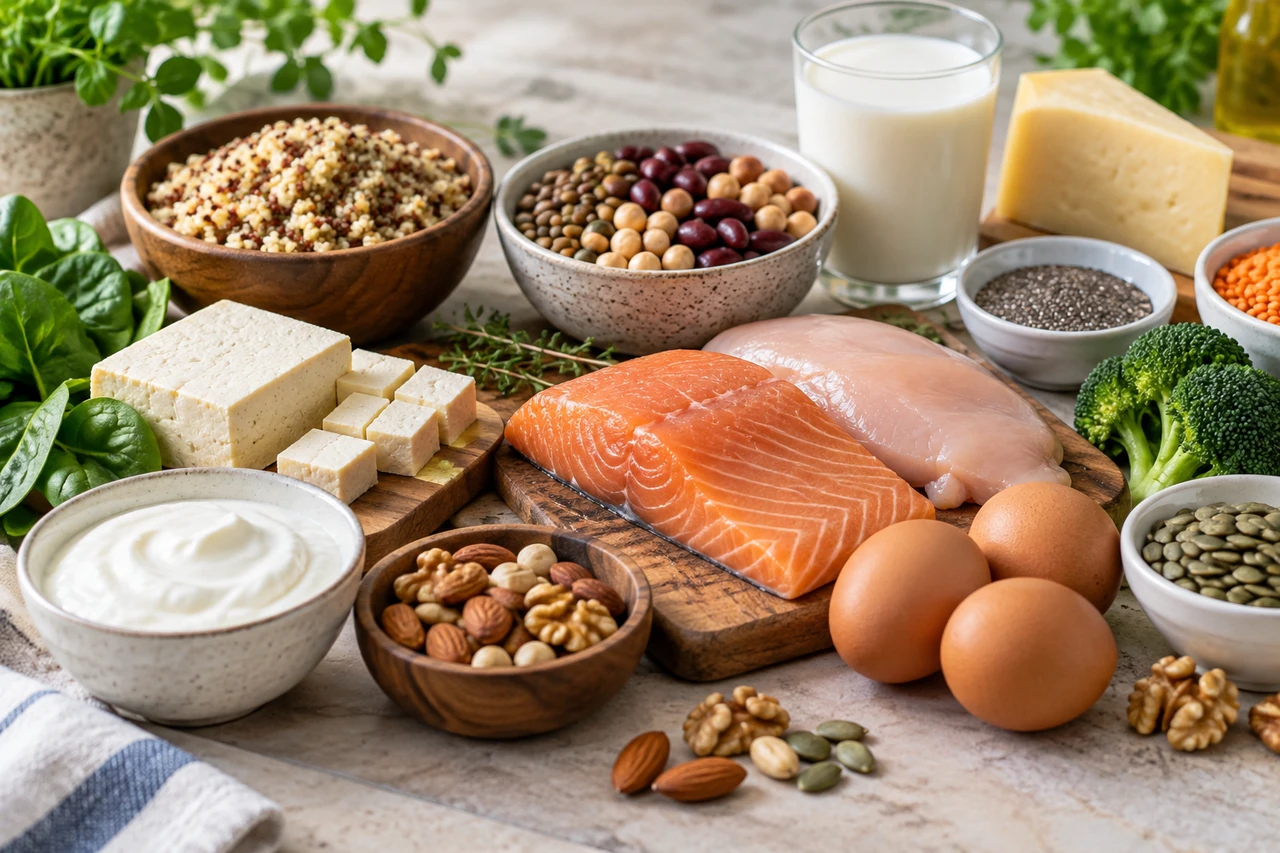
Essential amino acids are nutrients the body needs but cannot make in sufficient amounts on its own. They must therefore come from food. That definition can sound more complicated than it is: dietary proteins are built from amino acids, and eating enough varied protein normally supplies the essential amino acids needed for everyday physiological functions.
These amino acids are often discussed in the context of exercise and muscle, but their importance extends well beyond the gym. They contribute to proteins used throughout the body and participate in many metabolic processes. Understanding them does not require treating individual amino acids as performance products—or assuming that everyone needs a supplement.
What Are Essential Amino Acids?
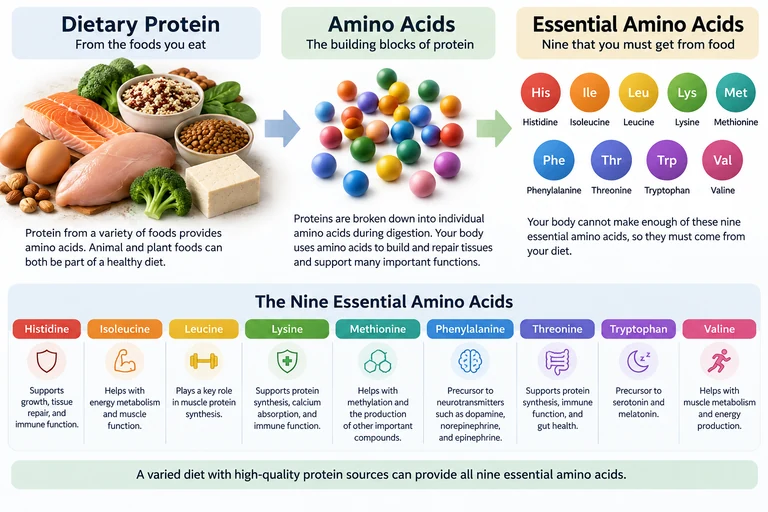
Protein is made from chains of amino acids. During digestion, food proteins are broken into amino acids and small peptides that can be absorbed and reused. The body then draws from this available pool when it needs to make new proteins, including enzymes, transport proteins, structural tissues, immune-system components, and muscle proteins.
Nine amino acids are considered essential, or indispensable, in the human diet: histidine, isoleucine, leucine, lysine, methionine, phenylalanine, threonine, tryptophan, and valine. The body either cannot synthesize them or cannot make enough to meet physiological needs, so an adequate dietary supply is required.
Essential Does Not Mean “More Important”
The word essential describes where an amino acid must come from, not how powerful or valuable it is. Nonessential amino acids still perform important work. The difference is that the body can generally produce enough of them under ordinary conditions, while the nine essential amino acids must be supplied through the diet.
Some amino acids may also become conditionally essential in particular stages of life or health circumstances because normal production no longer meets demand. That clinical distinction is separate from the standard list of nine dietary essential amino acids and should not be used to market large amino-acid doses to everyone.
Amino Acids Do More Than Support Muscle
Muscle protein receives considerable attention because researchers can measure its response to food and exercise. However, amino acids also contribute to proteins in skin, connective tissue, organs, blood, enzymes, and signaling systems. Their functions are interconnected, which is one reason it is misleading to reduce an amino acid to a single advertised benefit.
The Nine Essential Amino Acids
All nine EAAs are needed as building blocks for complete new proteins. Individual foods provide them in different proportions, and the body uses them within a much larger nutritional and metabolic context. The following distinctions are useful, but they should not be read as nine separate supplement recommendations.
The Three Branched-Chain Amino Acids
Leucine, isoleucine, and valine are known as branched-chain amino acids, or BCAAs, because of their chemical structures. Leucine is especially well known for its role in signaling pathways associated with muscle protein synthesis. Isoleucine and valine also contribute to body proteins and normal amino-acid metabolism.
The three are found together in many protein foods, including dairy products, eggs, fish, meat, soy foods, legumes, nuts, seeds, and grains. Being classified as BCAAs does not make them a complete substitute for the other six essential amino acids.
The Other Six Essential Amino Acids
Histidine is required for protein synthesis and serves as a precursor for several compounds made by the body. Lysine is incorporated into proteins throughout the body. Methionine is a sulfur-containing amino acid involved in protein synthesis and metabolic reactions that transfer methyl groups.
Phenylalanine can be converted into tyrosine, another amino acid used in proteins and as a precursor for other compounds. Threonine contributes to structural and functional proteins. Tryptophan is used in protein synthesis and can serve as a precursor for compounds including serotonin and niacin. These roles do not establish that isolated supplementation improves mood, sleep, or another health outcome.
Essential Amino Acids vs. BCAAs
BCAAs Are Only Three of the Nine EAAs
The terms BCAA and EAA are sometimes used as if they describe interchangeable products. They do not. An EAA mixture includes all nine essential amino acids, while a BCAA mixture generally contains only leucine, isoleucine, and valine. A complete dietary protein supplies all nine, although the proportions and digestibility vary among foods.
BCAAs participate in normal metabolism and are part of complete proteins, so describing them as useless would also be inaccurate. The narrower point is that three amino acids cannot provide all the indispensable building blocks required to assemble new complete proteins.
Why Leucine Matters but Is Not Enough by Itself
Leucine can influence signaling involved in muscle protein synthesis, particularly after protein intake and resistance exercise. A systematic review found that dietary leucine exposure was associated with aspects of the postexercise muscle protein synthesis response, especially in older adults, but it did not establish one universal threshold that applies across people and situations.
A signal is not the same as a complete supply of materials. Even when leucine helps initiate the cellular processes involved in protein synthesis, the body still needs the other required amino acids to construct a complete protein. This is why the phrase “leucine switch” can oversimplify a coordinated biological process.
How Essential Amino Acids Relate to Protein
Foods contain proteins rather than isolated amino acids alone. Once those proteins are digested, their amino acids become available for use. How well a protein contributes to human amino-acid needs depends partly on which amino acids it contains and how readily those amino acids can be digested and absorbed.
Protein Quality Includes Amino-Acid Profile and Digestibility
Protein quality is a technical concept that considers the pattern of essential amino acids and their digestibility. A limiting amino acid is the essential amino acid present in the lowest proportion relative to a reference requirement pattern. Its availability can limit how effectively that protein contributes to meeting needs when the food is considered by itself.
Methods such as the Digestible Indispensable Amino Acid Score attempt to account for both amino-acid profile and digestibility. These scores can be useful for evaluating protein sources, but they do not capture every aspect of a food. Fiber, vitamins, minerals, fats, preparation methods, overall dietary pattern, and the amount actually eaten also matter.
What “Complete Protein” Really Means
A complete protein provides all nine essential amino acids in amounts that can contribute meaningfully to human requirements. Eggs, dairy foods, fish, poultry, meat, and soy are common examples. Quinoa is also frequently described as complete, although its total protein contribution depends on the portion eaten.
Complete does not automatically mean healthier, and incomplete does not mean useless. Most protein-containing foods provide all nine EAAs but in different proportions. A lower amount of one amino acid in one food can be complemented by other foods eaten across a varied diet.
Essential Amino Acids and Muscle Protein Synthesis
Muscle protein is continually being built and broken down. Dietary protein provides amino acids that support the synthesis side of this ongoing turnover. Resistance exercise provides a separate stimulus that increases the muscle’s sensitivity to amino acids and supports adaptation when training and nutrition are sustained.
Protein Provides Both the Signal and the Building Materials
EAAs are required for muscle protein synthesis because the body cannot produce them in sufficient amounts. Leucine contributes an important signal, while the full amino-acid mixture provides the components needed to build new muscle proteins. Other nutrients, sufficient energy intake, training, recovery, and overall protein intake remain part of the same picture.
An acute increase in muscle protein synthesis after eating does not guarantee long-term muscle gain. Changes in muscle mass occur over time and depend on repeated training, adequate nutrition, recovery, and individual response. A single amino acid or supplement cannot replace that broader process.
Food Sources of Essential Amino Acids
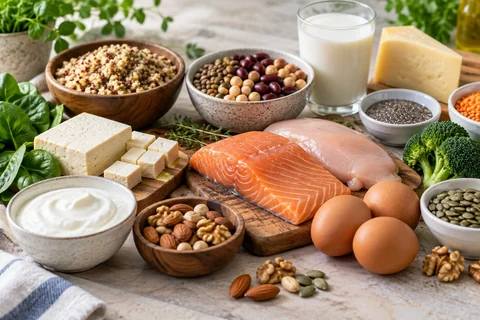
Essential amino acids are widely distributed across the food supply. A practical food-first approach is to include varied protein foods that fit personal preferences, nutritional needs, culture, budget, and health considerations.
Animal Protein Sources
Eggs, milk, yogurt, cheese, fish, poultry, and meat provide all nine EAAs. Their broader nutritional profiles differ: fish may provide omega-3 fats, dairy foods can provide calcium, and meat or poultry can contribute iron, zinc, and vitamin B12. Preparation method, fat content, sodium, and the rest of the meal also influence nutritional value.
A person does not need to eat every animal protein source, and animal foods are not required in order to meet amino-acid needs. They are simply familiar examples of relatively concentrated complete proteins.
Plant Protein Sources
Soy foods such as tofu, tempeh, edamame, and fortified soy milk provide all nine EAAs. Beans, peas, lentils, chickpeas, nuts, seeds, whole grains, and quinoa also contribute protein and essential amino acids. Individual plant foods differ in total protein, digestibility, and amino-acid proportions.
For example, many legumes are relatively lower in methionine but supply lysine, while many grains are relatively lower in lysine but contribute methionine. This does not make either category nutritionally empty. Eating adequate energy and a variety of protein-containing foods allows their profiles to complement one another.
A review of vegetarian diets found that traditional protein-rich foods such as legumes, nuts, and seeds can support protein and amino-acid adequacy in adults. Individual needs and dietary patterns still vary, and highly restrictive diets may require more deliberate planning.
Do Plant Proteins Need to Be Combined at Every Meal?
Most adults do not need to pair complementary plant proteins in one carefully calculated meal. The body maintains an amino-acid pool, and foods eaten across the day can contribute to overall adequacy. Familiar combinations such as beans and rice remain nutritious, but they do not have to be consumed together at every meal to make the protein count.
Total dietary intake matters more than assigning a complete-or-incomplete label to every plate. Someone eating a fully plant-based diet can emphasize legumes, soy foods, nuts, seeds, whole grains, and sufficient overall food intake rather than trying to create a perfect amino-acid ratio each time they eat.
Essential Amino Acids for Exercise and Recovery
Exercise places demands on muscle tissue, and dietary protein supplies amino acids used during remodeling and adaptation. This relationship is especially relevant after resistance training, but it does not mean an EAA supplement automatically improves recovery or performance.
Training and Total Daily Protein Still Matter
A large meta-analysis of resistance-training studies found that protein supplementation produced modest additional improvements in strength and fat-free mass on average. The studies examined supplements alongside ongoing resistance training, not as a substitute for it, and responses varied with factors including age, training experience, and total protein intake.
For an active adult, the broader priorities include an appropriate training program, sufficient total food and protein, sleep, and time between demanding sessions. A protein-rich meal can provide the same nine EAAs discussed in supplement marketing. Supplements may be practical, but practicality is different from necessity.
Do You Need an Essential Amino Acid Supplement?
Many people can obtain all nine essential amino acids through ordinary foods. Someone who regularly eats adequate amounts of varied protein may gain little practical value from adding a concentrated EAA product. The presence of an amino acid in a supplement is not evidence that more of it will improve health, muscle growth, or recovery.
When Convenience Is Different From Necessity
An EAA product may be convenient when appetite is limited around training, carrying food is impractical, or a person is working with a qualified professional on a specific nutrition plan. Even then, the value depends on the rest of the diet, total protein intake, energy intake, age, training, product composition, and the reason for using it.
Free-form amino-acid mixtures and complete protein foods are not nutritionally identical. Foods can provide energy and other nutrients, while isolated products provide a narrower set of compounds. A supplement should fill a defined practical gap rather than displace varied meals by default.
What to Consider Before Using a Supplement
Read the complete label rather than focusing only on the total number of grams. Products can differ in which amino acids they include, their relative amounts, added ingredients, serving size, testing practices, and cost. A BCAA-only product is not the same as a nine-EAA mixture, and neither is automatically superior to adequate dietary protein.
Avoid assuming that a larger serving is more effective. Research findings depend on the population, baseline diet, exercise program, comparison group, and outcome measured. Acute muscle protein synthesis results should not be converted into promises of long-term muscle gain.
People with kidney disease, metabolic disorders, pregnancy, or a medically prescribed diet should discuss concentrated amino-acid supplements with an appropriate healthcare professional. The same applies when a person has unexplained weight loss, weakness, reduced appetite, or another symptom that deserves evaluation rather than self-treatment.
The Bottom Line
The nine essential amino acids are histidine, isoleucine, leucine, lysine, methionine, phenylalanine, threonine, tryptophan, and valine. They must come from the diet because the body cannot make enough to meet its needs. BCAAs account for only three of the nine, and leucine’s signaling role does not make it sufficient by itself.
A varied diet containing enough protein can provide all nine EAAs through animal foods, plant foods, or a combination of both. For exercise adaptation, resistance training and total nutrition remain central. Supplements can offer convenience in selected circumstances, but they are not a universal requirement or a replacement for adequate food.
Was this article helpful?
Your anonymous response helps improve our editorial coverage.
Loading feedback options…
Share
Share this article
Selected references
Recommended products
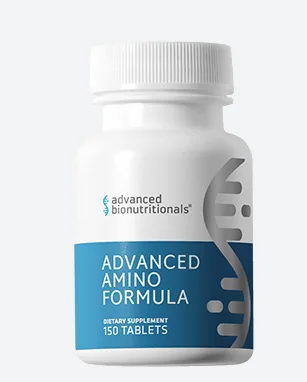 Advanced Amino Formula
A dietary supplement from Advanced Bionutritionals combining eight essential amino acids to support protein intake, muscle health, physical performance, and recovery.
View product details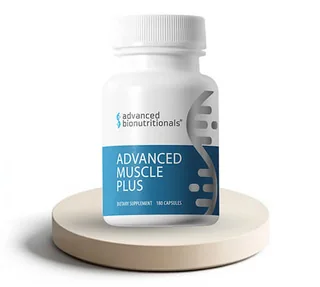 Advanced Muscle Plus
A formula containing DL185 dileucine, calcium HMB monohydrate (myHMB), vitamin D, and calcium, marketed for muscle health and recovery. Ingredient research and manufacturer claims are distinct from finished-product evidence.
View product details
More from Planet Wellness Report
Continue Reading

Nutrition
BCAA vs. EAA: Comparing Muscle Protein Synthesis, Recovery, and Practical Use
BCAAs are part of the EAA family. Compare amino acid completeness, muscle protein synthesis, soreness, and practical use without assuming a universal winner.
7 min read
Nutrition
Advanced Amino Formula Review: Ingredients, Evidence, and Value
Advanced Amino Formula reviewed: five-tablet serving, eight-amino-acid blend, undisclosed leucine dose, missing histidine, research context, and purchase value.
8 min read

Nutrition
Leucine and Muscle Protein Synthesis: What the Research Actually Shows
Leucine helps regulate muscle protein synthesis. Learn what human trials show about thresholds, protein context, exercise, age, and long-term outcomes.
6 min read
Evidence
Sources
- Institute of Medicine; Food and Nutrition Board. Dietary Reference Intakes for Energy, Carbohydrate, Fiber, Fat, Fatty Acids, Cholesterol, Protein, and Amino Acids — National Academies Press · DOI
- Joint FAO/WHO/UNU Expert Consultation on Protein and Amino Acid Requirements in Human Nutrition. Protein and Amino Acid Requirements in Human Nutrition: Report of a Joint FAO/WHO/UNU Expert Consultation — World Health Organization
- FAO Expert Consultation on Protein Quality Evaluation in Human Nutrition. Dietary Protein Quality Evaluation in Human Nutrition: Report of an FAO Expert Consultation — Food and Agriculture Organization of the United Nations
- U.S. Department of Agriculture. Protein Foods — USDA MyPlate
- François Mariotti; Christopher D. Gardner. Dietary Protein and Amino Acids in Vegetarian Diets: A Review — Nutrients (Nov 4, 2019) · DOI
- Robert R. Wolfe. Branched-Chain Amino Acids and Muscle Protein Synthesis in Humans: Myth or Reality? — Journal of the International Society of Sports Nutrition (Aug 22, 2017) · DOI
- Kiera Wilkinson; Christopher P. Koscien; Alistair J. Monteyne; Benjamin T. Wall; Francis B. Stephens. Association of Postprandial Postexercise Muscle Protein Synthesis Rates With Dietary Leucine: A Systematic Review — Physiological Reports (Aug 1, 2023) · DOI
- Robert W. Morton; Kevin T. Murphy; Sean R. McKellar; Brad J. Schoenfeld; Menno Henselmans; Eric Helms; Alan A. Aragon; Michaela C. Devries; Laura Banfield; James W. Krieger; Stuart M. Phillips. A Systematic Review, Meta-analysis and Meta-regression of the Effect of Protein Supplementation on Resistance Training-Induced Gains in Muscle Mass and Strength in Healthy Adults — British Journal of Sports Medicine (Mar 1, 2018) · DOI
- Ralf Jäger et al.; International Society of Sports Nutrition. International Society of Sports Nutrition Position Stand: Protein and Exercise — Journal of the International Society of Sports Nutrition (Jun 20, 2017) · DOI