
Ingredient research hub
Essential Amino Acids (EAAs)
What it is
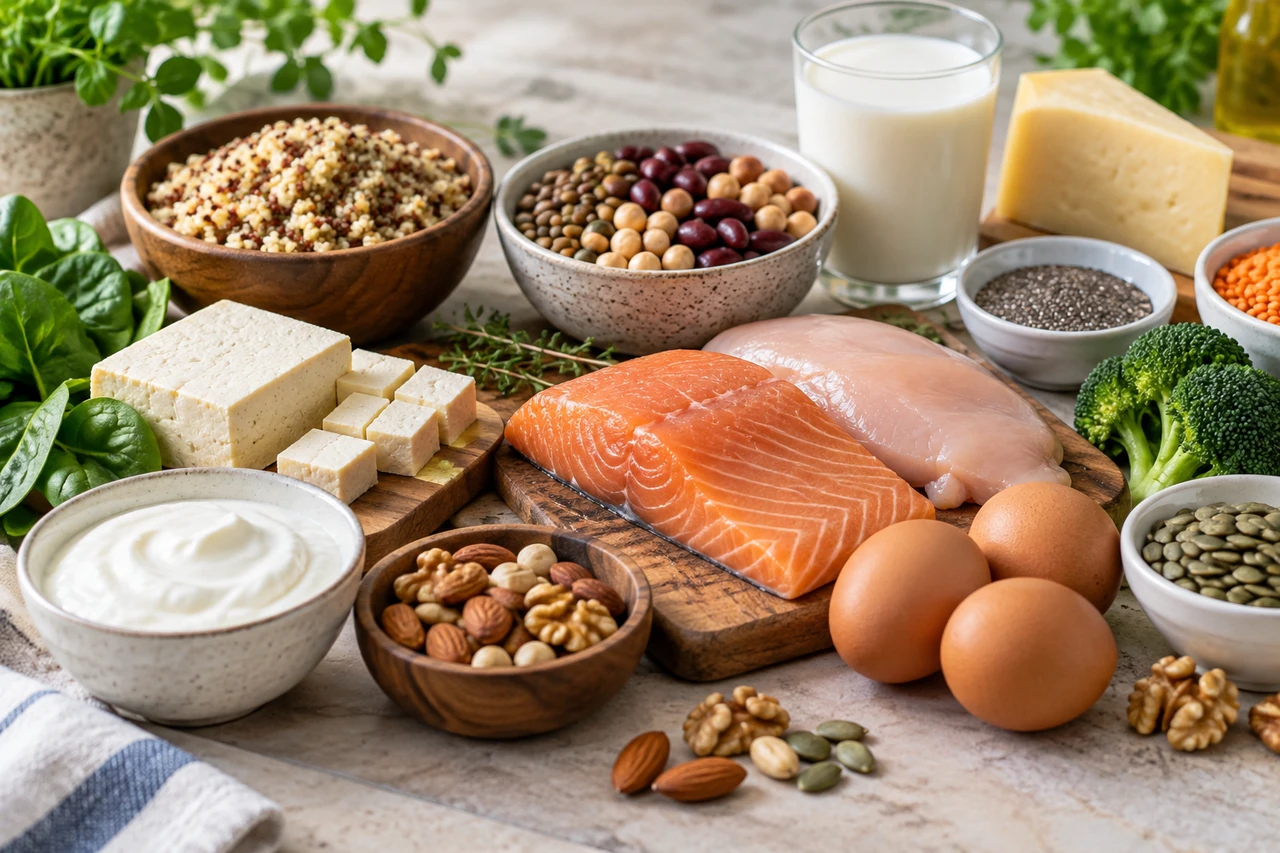
Essential amino acids are the nine amino acids that adults need to obtain from the diet because the body cannot make enough of them. They occur together in dietary proteins, including animal foods and combinations of plant foods. Supplements may provide free amino acids rather than intact protein; these are different formats, not separate nutritional requirements.
Why people look for it
People look for EAAs when comparing food sources, protein intake, and sports-nutrition products. Begin with the amount and variety of protein in the diet, then consider what question a supplement would actually answer.
What research generally looks at
Research examines amino acid availability, short-term muscle protein synthesis, and longer-term muscle outcomes alongside exercise. A faster appearance in blood or an acute synthesis measurement does not by itself establish greater strength or muscle gain.
Important context
BCAAs are only three of the nine EAAs. Check the actual composition of a product labeled amino acids: a blend name does not establish that all nine are supplied. The linked food guide and comparison address practical choices in more depth.
Related research
Choose a specific evidence question below. Formula reviews provide label context; they do not establish that the complete product reproduces an ingredient study.

Nutrition
Protein Quality Explained: DIAAS, PDCAAS, Amino Acids, and What the Scores Really MeanUnderstand DIAAS and PDCAAS, limiting amino acids, digestibility and why technical protein quality does not rank the healthfulness of whole diets.
Planet Wellness Report · Oct 14, 2026

Nutrition
Leucine and Muscle Protein Synthesis: What the Research Actually ShowsLeucine helps regulate muscle protein synthesis. Learn what human trials show about thresholds, protein context, exercise, age, and long-term outcomes.
Planet Wellness Report · Oct 11, 2026
Nutrition
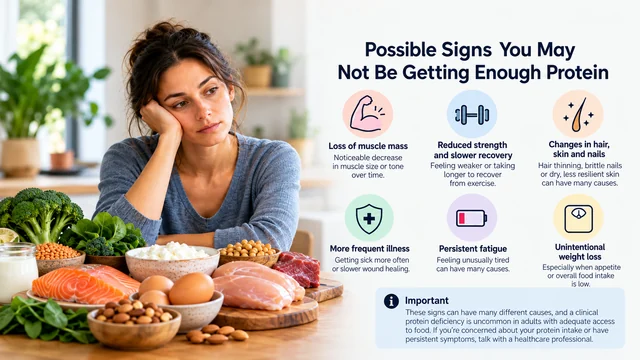
Signs You’re Not Getting Enough Protein: What to Watch ForLearn about possible signs of inadequate protein intake, including muscle loss, reduced strength, fatigue, hair or nail changes, unintended weight loss, and severe malnutrition signs—and why symptoms alone cannot diagnose protein deficiency.
Planet Wellness Report · Sep 29, 2026
Nutrition
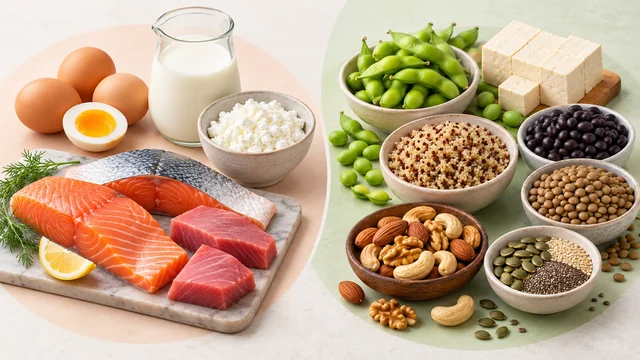
Foods High in Essential Amino Acids: Compare Real Meal PortionsCompare eggs, yogurt, chicken, tofu, beans, and rice using stated portions and USDA data. See why all nine EAAs does not make every serving equivalent.
Planet Wellness Report · Sep 26, 2026
Nutrition
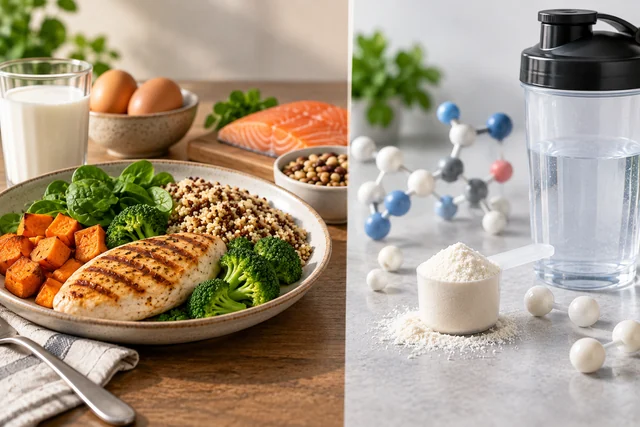
Protein vs. Essential Amino Acids: What’s the Difference?Protein and essential amino acids overlap, but they are not nutritionally identical. Learn how foods, protein powders, and EAA supplements differ—and why faster absorption does not automatically mean better results.
Planet Wellness Report · Sep 21, 2026
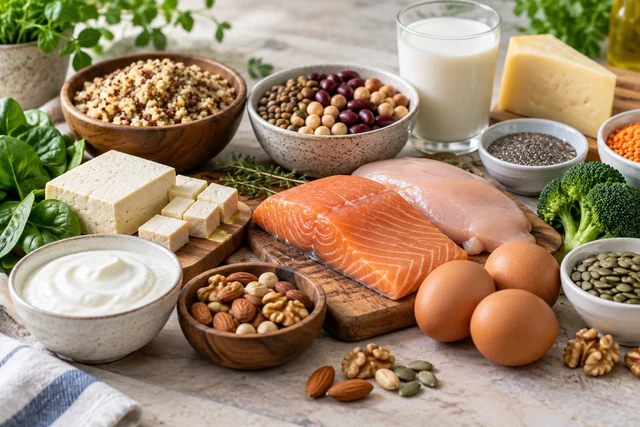
Nutrition
Essential Amino Acids: What They Are, Why They Matter, and Food SourcesEssential amino acids must come from the diet, but that does not mean everyone needs a supplement. Learn how EAAs relate to protein, BCAAs, food quality, muscle protein synthesis, and exercise recovery.
Planet Wellness Report · Sep 21, 2026
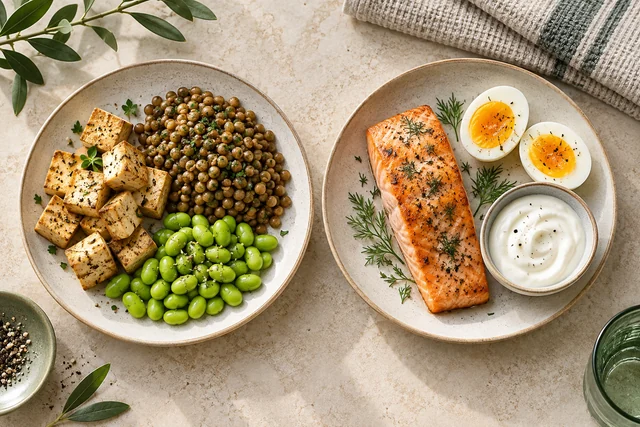
Nutrition
Plant Protein vs Animal Protein for Muscle: Amino Acids, Digestibility, and Real-World ResultsCompare plant and animal protein for muscle using amino acids, digestibility, acute MPS and longer-term mass and strength evidence.
Planet Wellness Report · Oct 15, 2026

Nutrition
BCAA vs. EAA: Comparing Muscle Protein Synthesis, Recovery, and Practical UseBCAAs are part of the EAA family. Compare amino acid completeness, muscle protein synthesis, soreness, and practical use without assuming a universal winner.
Planet Wellness Report · Oct 6, 2026
Nutrition
Advanced Amino Formula Review: Ingredients, Evidence, and ValueAdvanced Amino Formula reviewed: five-tablet serving, eight-amino-acid blend, undisclosed leucine dose, missing histidine, research context, and purchase value.
Planet Wellness Report · Oct 11, 2026
Related ingredients
Follow the ingredient definitions to compare roles and preparations, rather than treating them as interchangeable products.