
ARTICLE
Protein vs. Essential Amino Acids: What’s the Difference?
How intact food proteins, protein powders, and free-form EAAs differ in digestion, nutrition, muscle protein synthesis, and practical use.
By Planet Wellness Report · Sep 21, 2026 · 11 min read
Editorial review and publication: Felipe Lopes, Publisher & Editor. This is an editorial review, not a medical review.
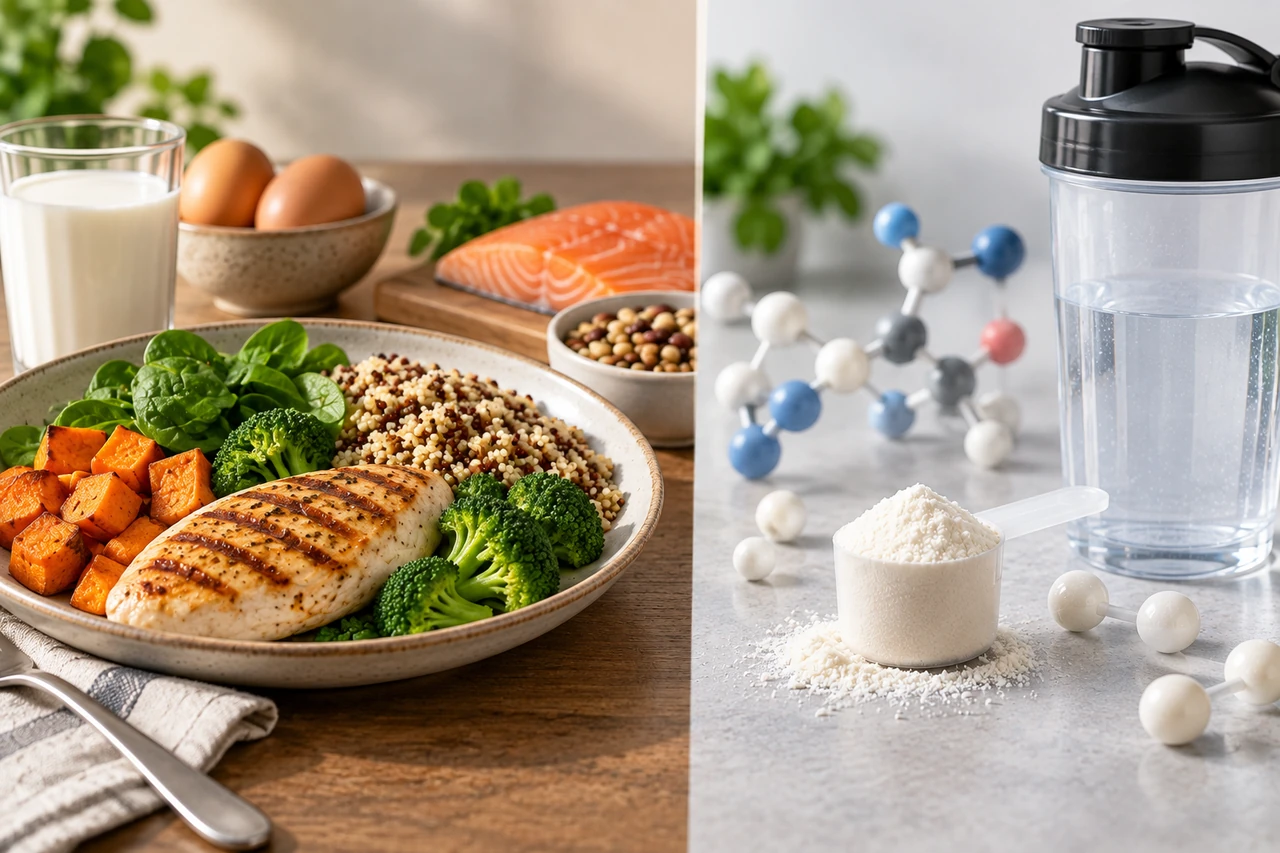
Protein and Essential Amino Acids: The Short Answer
Protein and essential amino acids are closely related, but they are not interchangeable. Protein is a larger dietary structure made from amino acids. A complete protein supplies all nine essential amino acids, along with nonessential amino acids and, depending on its source, other components of food. A free-form essential amino acid supplement supplies selected amino acids without the intact protein structure.
Both can provide essential building blocks used in muscle protein synthesis. Their differences involve digestion, absorption patterns, food volume, convenience, and nutritional context—not a simple contest in which one format always wins. For most people, protein-rich foods remain the foundation, while powders and amino acid supplements are optional tools that may fit particular routines.
What Is Protein?
Protein Is Made From Amino Acids
Proteins are chains of amino acids folded into complex structures. The body uses amino acids to make and repair its own proteins, including those found in muscle and many other tissues. Amino acids also participate in the production of enzymes, transport proteins, and other compounds needed for normal physiology.
Different foods contain different amounts and proportions of amino acids. Protein quality therefore reflects several factors, including the essential amino acid profile and how well the protein is digested. These measures can help describe a protein source, but no single score determines whether an entire food or dietary pattern is healthful.
What Happens During Digestion?
The protein in foods and conventional protein powders is generally intact when consumed. Digestion unfolds those proteins and breaks them into smaller peptides and individual amino acids. The intestinal tract can then absorb these products and release amino acids into circulation.
This process takes time, and the pattern varies with the protein source, processing, meal composition, and individual digestive factors. A mixed meal containing protein, fat, carbohydrates, and fiber may produce a different absorption pattern from an isolated protein drink. Those kinetic differences do not, by themselves, establish which option will produce a better long-term outcome.
What Are Essential Amino Acids?
The Nine EAAs
Nine amino acids are considered essential in the adult diet: histidine, isoleucine, leucine, lysine, methionine, phenylalanine, threonine, tryptophan, and valine. They are called essential because the body cannot synthesize enough of them to meet physiological needs, so they must come from the diet.
A complete protein provides all nine in adequate proportions. Free-form EAA products supply essential amino acids that are not bound together as an intact dietary protein. Formulas can vary, so the label matters: the phrase “amino acid supplement” does not guarantee a particular balance or even the inclusion of all nine EAAs.
EAAs Are Not the Same as BCAAs
Branched-chain amino acids, or BCAAs, are leucine, isoleucine, and valine. They are three of the nine essential amino acids, not a substitute name for the entire group. Leucine has an important signaling role in muscle protein synthesis, but building new muscle protein requires the broader set of necessary amino acid building blocks.
Protein vs. Essential Amino Acids: Key Differences
Intact Protein Provides More Than the Nine EAAs
A complete intact protein generally provides all nine EAAs as well as nonessential amino acids. “Nonessential” does not mean unimportant; it means the body can normally synthesize them in sufficient amounts. They still contribute to the structure and function of proteins throughout the body.
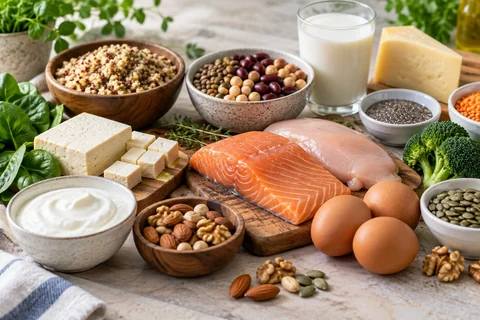
When protein comes from food, it also arrives within a larger food matrix. Eggs, dairy foods, fish, meat, beans, lentils, soy foods, nuts, and seeds can contribute varying combinations of energy, vitamins, minerals, fats, carbohydrates, and other food components. An EAA supplement has a much narrower nutritional role.
Free-Form EAAs Are More Concentrated
Free-form EAA supplements deliver isolated essential amino acids in a relatively small volume. Because those amino acids are already separate rather than assembled into an intact protein, they do not require the same initial protein breakdown. This can be useful when portability, appetite, or the ability to consume a full meal at a particular time is a practical concern.
Concentration also comes with tradeoffs. An EAA product is not a meal and usually provides little of the energy or broader nutrition found in food. It also does not automatically replace the value of adequate total protein distributed across a varied diet.
Faster Absorption Does Not Automatically Mean Better Results
Free amino acids can appear in circulation more rapidly than amino acids from intact protein. That is a kinetic difference, not proof of greater long-term effectiveness. How quickly blood amino acid levels rise is only one part of a much larger process that includes tissue uptake, protein turnover, training, energy availability, repeated meals, and recovery.
A double-blind randomized trial involving 24 healthy young adults directly compared 30 grams of intact milk protein with an equivalent free-amino-acid mixture matched to the milk protein’s amino acid content. The free amino acids were absorbed more rapidly and produced greater post-meal plasma amino acid availability. Even so, muscle protein synthesis rates measured across six hours did not differ between the conditions.
That acute study does not settle every practical question. Its amino acid mixture matched milk protein and was not necessarily equivalent to a typical commercial nine-EAA formula, and it did not measure long-term changes in muscle mass. It does, however, illustrate why faster appearance in the bloodstream should not be translated into a claim of faster muscle growth.
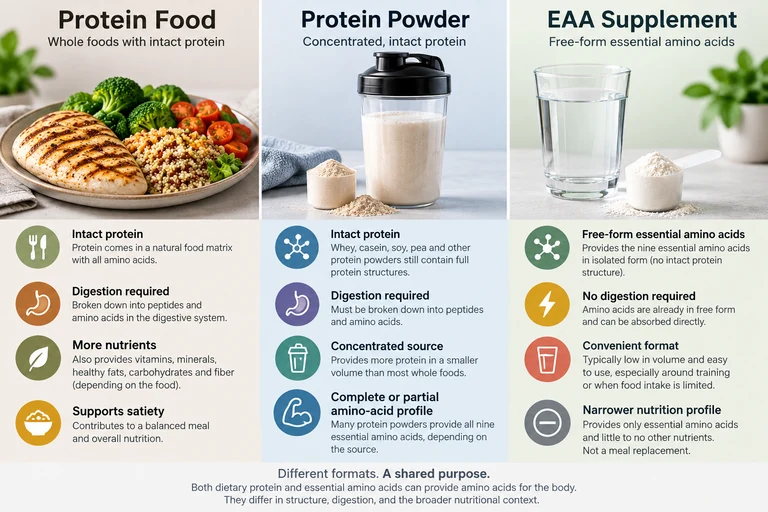
Protein Powder vs. EAA Supplements
Protein Powder Is Still Protein
Protein powder is a concentrated form of protein, not simply a container of free EAAs. Whey, casein, soy, pea, and blended plant powders retain intact protein or peptide structures that undergo digestion. Their amino acid profiles and digestion characteristics differ, but they belong on the protein side of the comparison.
A powder can be convenient when preparing a protein-rich meal is impractical or when a person prefers a drink to a larger serving of food. It may also contain flavorings, sweeteners, fats, carbohydrates, vitamins, or minerals, depending on the formulation. The ingredient list and nutrition label provide the relevant details.
EAA Supplements Deliver Free Amino Acids
An EAA supplement provides essential amino acids in free form rather than as intact protein. It may be sold as a powder, drink, capsule, or tablet. These products can offer a compact amino acid source, but formulations vary in their total amount, proportions, added ingredients, and cost.
This narrower format may fit some circumstances, but it should not be confused with the broader nutritional contribution of a meal or complete protein food. The fact that a product is concentrated also does not make it necessary for someone who already meets protein and energy needs comfortably.
Which Better Supports Muscle Protein Synthesis?
Both Can Supply Essential Building Blocks
Muscle protein synthesis is the process of building new muscle proteins. An appropriate mixture of all essential amino acids can provide the indispensable building blocks required for this process. A complete protein can provide those same EAAs alongside nonessential amino acids and the rest of its protein structure.
Research examining free-form EAAs, intact proteins, and protein-containing meals shows that format can influence digestion and circulating amino acid patterns. The response also depends on factors such as the amino acid composition, amount consumed, meal context, exercise, and the person being studied. Findings from a specific laboratory setting should not be treated as a universal ranking of products.
An Acute Response Is Not the Same as Long-Term Muscle Gain
Many nutrition studies measure muscle protein synthesis for several hours after a meal or supplement. These experiments are useful for understanding physiology, but an acute increase is not the same outcome as gaining muscle over weeks or months. Long-term change reflects repeated training and nutrition exposures, not a single post-meal measurement.
Evidence from resistance-training research supports paying attention to adequate total protein while recognizing that supplementation is optional. A meta-analysis of protein supplementation during prolonged resistance training found improvements in muscle and strength outcomes under some conditions, but it evaluated protein supplementation as part of a training program—not EAA absorption speed as an isolated shortcut.
Training and Total Daily Protein Still Matter
Resistance exercise provides a major stimulus for muscle adaptation. Nutrition supports that process, but the overall pattern matters: total daily protein, the quality and variety of food, repeated intake across the day, sufficient energy, sleep, and recovery all contribute context. Choosing between a meal, protein powder, and an EAA supplement cannot compensate for a training plan or diet that does not support the intended goal.
This is also why supplement format should not be used to promise faster recovery or better performance. Muscle soreness, readiness, and adaptation are influenced by many variables. A convenient amino acid source may help someone execute a sound nutrition plan, but convenience is not a guarantee of a particular result.
Food Protein vs. Supplements
What Whole Foods Provide Beyond Amino Acids
Protein foods include options such as seafood, poultry, meat, eggs, dairy foods, beans, peas, lentils, soy foods, nuts, and seeds. Their nutritional profiles differ, but they can contribute more than amino acids. Depending on the food, that may include energy, iron, zinc, calcium, vitamin B12, essential fats, carbohydrates, fiber, or other nutrients.
Foods also form part of meals that can support fullness, enjoyment, and dietary variety. Their potential limitations are practical rather than proof of nutritional inferiority: preparation takes time, some foods are less portable, and eating a full meal may be uncomfortable in certain situations. Those considerations can make a supplement convenient without making it nutritionally equivalent to food.
Plant and Animal Proteins Can Both Contribute
Both plant and animal foods can contribute meaningfully to protein intake. Individual plant proteins may contain less of a particular essential amino acid or be digested differently from some animal proteins, but that does not make plant-based diets inherently inadequate. Reviews of vegetarian nutrition emphasize the importance of sufficient total intake and variety across the overall diet.
People do not generally need to combine complementary plant proteins in every bite. Eating varied protein sources across meals can provide a useful range of amino acids. Soy foods, beans, lentils, peas, nuts, seeds, grains, and plant-protein powders can all contribute, with the appropriate mix depending on the person’s dietary pattern and needs.
When Convenience or Smaller Volume May Matter
A protein powder or free-form EAA supplement may be practical when someone has limited appetite around training, needs a portable option, or cannot eat a full meal at a particular time. An EAA product usually requires less volume than a meal or protein shake, while a protein powder supplies a larger spectrum of amino acids as intact protein.
These are logistical distinctions rather than universal recommendations. Cost, taste, tolerance, product quality, and the rest of the diet deserve consideration. In structured nutrition plans—especially those involving medical conditions or substantial energy restriction—decisions about concentrated supplements are better made with an appropriately qualified professional.
Do You Need Both Protein and EAAs?
When an EAA Supplement May Be Redundant
An EAA supplement may add little practical value when a person already consumes sufficient high-quality protein, has adequate energy intake, eats varied meals, and is meeting their needs without difficulty. Complete proteins already contain the nine essential amino acids, so adding isolated EAAs does not create a new class of building block.
Redundant does not mean useless. A supplement can still be chosen for convenience, preference, or a professionally designed plan. The key is to identify the problem it is meant to solve rather than assuming another product will automatically improve a diet that is already adequate.
Questions to Ask Before Choosing a Product
Start with the broader pattern. Are regular meals supplying enough protein and energy? Is the desired product solving a real issue involving portability, appetite, or convenience? Would a food or ordinary protein powder meet the same need while contributing more complete nutrition? Does the label clearly identify the amino acids and other ingredients?
It is also worth considering cost and whether the product has independent quality testing. People who are pregnant or who have kidney disease, a metabolic disorder, or a medically prescribed diet should discuss concentrated protein or amino acid supplements with an appropriate clinician. This is particularly important when dietary protein or individual amino acids require medical supervision.
What About BCAAs?
BCAA supplements contain leucine, isoleucine, and valine. Those three amino acids are relevant to muscle physiology, but they represent only part of the essential amino acid group. Leucine can help initiate signaling associated with muscle protein synthesis, yet the body still needs the other required amino acids to assemble complete muscle proteins.
For that reason, evidence about leucine or BCAAs should not be used to describe a BCAA product as equivalent to a complete protein or a balanced nine-EAA mixture. Someone already consuming sufficient complete protein will also obtain BCAAs as part of that protein.
The Bottom Line
Protein-rich foods, protein powders, and free-form EAA supplements can all contribute amino acids, but they do so in different nutritional formats. Foods provide protein within a broader food matrix. Protein powders remain intact proteins that require digestion. Free-form EAA products provide a compact set of isolated essential amino acids and can produce a faster rise in circulating amino acids.
Faster absorption should not be confused with proven superiority. In a direct acute comparison, free amino acids reached circulation faster than matched milk protein without producing a higher six-hour muscle protein synthesis rate. Long-term muscle and recovery outcomes depend on the wider pattern, including resistance training, adequate energy, total daily protein, repeated meals, and recovery.
For most readers, the useful question is not whether protein or EAAs are universally better. It is whether the overall diet already meets nutritional needs and whether a particular format solves a genuine practical problem. A supplement can offer convenience, but it does not have to replace protein-rich meals—or be used at all—for a sound nutrition plan to support muscle health.
Was this article helpful?
Your anonymous response helps improve our editorial coverage.
Loading feedback options…
Share
Share this article
Selected references
Recommended products
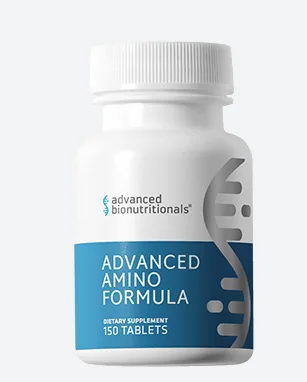 Advanced Amino Formula
A dietary supplement from Advanced Bionutritionals combining eight essential amino acids to support protein intake, muscle health, physical performance, and recovery.
View product details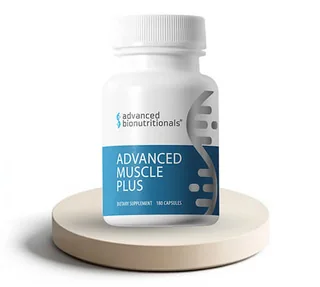 Advanced Muscle Plus
A formula containing DL185 dileucine, calcium HMB monohydrate (myHMB), vitamin D, and calcium, marketed for muscle health and recovery. Ingredient research and manufacturer claims are distinct from finished-product evidence.
View product details
More from Planet Wellness Report
Continue Reading

Nutrition
BCAA vs. EAA: Comparing Muscle Protein Synthesis, Recovery, and Practical Use
BCAAs are part of the EAA family. Compare amino acid completeness, muscle protein synthesis, soreness, and practical use without assuming a universal winner.
7 min read
Nutrition
Essential Amino Acids: What They Are, Why They Matter, and Food Sources
Essential amino acids must come from the diet, but that does not mean everyone needs a supplement. Learn how EAAs relate to protein, BCAAs, food quality, muscle protein synthesis, and exercise recovery.
12 min read
Nutrition
Leucine and Muscle Protein Synthesis: What the Research Actually Shows
Leucine helps regulate muscle protein synthesis. Learn what human trials show about thresholds, protein context, exercise, age, and long-term outcomes.
6 min read
Evidence
Sources
- Institute of Medicine; Food and Nutrition Board. Dietary Reference Intakes for Energy, Carbohydrate, Fiber, Fat, Fatty Acids, Cholesterol, Protein, and Amino Acids — National Academies Press · DOI
- FAO Expert Consultation on Protein Quality Evaluation in Human Nutrition. Dietary Protein Quality Evaluation in Human Nutrition: Report of an FAO Expert Consultation — Food and Agriculture Organization of the United Nations
- U.S. Department of Agriculture. Protein Foods — USDA MyPlate
- François Mariotti; Christopher D. Gardner. Dietary Protein and Amino Acids in Vegetarian Diets: A Review — Nutrients (Nov 4, 2019) · DOI
- Robert R. Wolfe. Branched-Chain Amino Acids and Muscle Protein Synthesis in Humans: Myth or Reality? — Journal of the International Society of Sports Nutrition (Aug 22, 2017) · DOI
- Robert W. Morton; Kevin T. Murphy; Sean R. McKellar; Brad J. Schoenfeld; Menno Henselmans; Eric Helms; Alan A. Aragon; Michaela C. Devries; Laura Banfield; James W. Krieger; Stuart M. Phillips. A Systematic Review, Meta-analysis and Meta-regression of the Effect of Protein Supplementation on Resistance Training-Induced Gains in Muscle Mass and Strength in Healthy Adults — British Journal of Sports Medicine (Mar 1, 2018) · DOI
- Ralf Jäger et al.; International Society of Sports Nutrition. International Society of Sports Nutrition Position Stand: Protein and Exercise — Journal of the International Society of Sports Nutrition (Jun 20, 2017) · DOI
- Jess A. Gwin; David D. Church; Robert R. Wolfe; Arny A. Ferrando; Stefan M. Pasiakos. Muscle Protein Synthesis and Whole-Body Protein Turnover Responses to Ingesting Essential Amino Acids, Intact Protein, and Protein-Containing Mixed Meals with Considerations for Energy Deficit — Nutrients (Aug 15, 2020) · DOI
- Michelle E. G. Weijzen; Rob J. J. van Gassel; Imre W. K. Kouw; Jorn Trommelen; Stefan H. M. Gorissen; Janneau van Kranenburg; Joy P. B. Goessens; Marcel C. G. van de Poll; Lex B. Verdijk; Luc J. C. van Loon. Ingestion of Free Amino Acids Compared with an Equivalent Amount of Intact Protein Results in More Rapid Amino Acid Absorption and Greater Postprandial Plasma Amino Acid Availability Without Affecting Muscle Protein Synthesis Rates in Young Adults in a Double-Blind Randomized Trial — The Journal of Nutrition (Jan 11, 2022) · DOI