ARTICLE
How Much Protein Do You Need Per Day? A Practical Guide for Adults
Protein needs depend on body weight, activity level, training goals, diet, and individual circumstances. Here is how to interpret the numbers without turning them into rigid rules.
By Planet Wellness Report · Sep 28, 2026 · 14 min read
Editorial review and publication: Felipe Lopes, Publisher & Editor. This is an editorial review, not a medical review.
Protein recommendations can sound surprisingly contradictory. One source may say an adult needs about 0.8 grams per kilogram of body weight per day, while fitness advice may recommend considerably more. Both numbers can appear in legitimate guidance because they answer different questions.
The amount of protein needed to meet basic nutritional requirements is not necessarily the same amount someone might choose when training regularly, trying to support muscle growth, recovering from demanding exercise, or navigating a particular stage of life. Body weight, activity, total food intake, protein quality, health status, and individual goals all matter.
For most adults, the best starting point is therefore not to chase the highest protein number possible. It is to understand the baseline recommendation, determine whether there is a reason to go above it, and then build that intake from a varied diet that fits the rest of your nutritional needs.
How Much Protein Do You Need Per Day? The Short Answer
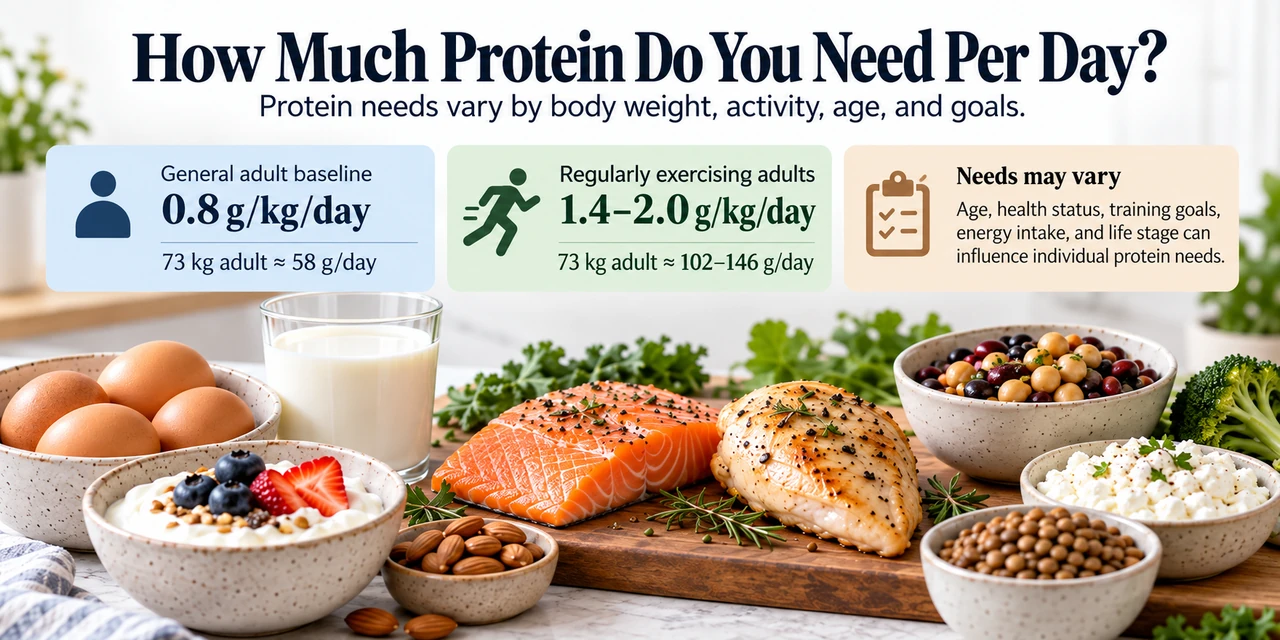
For healthy adults in the general population, the U.S. Dietary Reference Intakes establish a Recommended Dietary Allowance, or RDA, of 0.8 grams of protein per kilogram of body weight per day. That is approximately 0.36 grams per pound.
For a 70-kilogram adult, that works out to about 56 grams of protein per day. At 80 kilograms, the same calculation gives about 64 grams. At 90 kilograms, it gives about 72 grams.
The RDA is designed as a population-level reference intended to meet the needs of nearly all healthy people in a particular group. It should not automatically be interpreted as the ideal intake for every goal, nor as a maximum amount that should never be exceeded.
How to Calculate Your Baseline Protein Intake
The basic calculation is straightforward: body weight in kilograms multiplied by 0.8 grams.
For example, a person who weighs 75 kilograms would calculate 75 × 0.8, which equals 60 grams of protein per day. Someone who weighs 100 kilograms would calculate 100 × 0.8, which equals 80 grams per day.
If you know your weight only in pounds, dividing pounds by 2.2 gives an approximate weight in kilograms. You can then multiply that result by 0.8.
What Does the 0.8 g/kg Recommendation Actually Mean?
The 0.8-gram figure is often described online as the minimum needed to survive, but that description is too simplistic. It is the adult RDA derived from dietary reference standards and is intended to cover the needs of nearly all healthy adults under ordinary conditions.
At the same time, the RDA was not created as a muscle-building prescription, a sports-performance target, or an individualized recommendation for every older adult, athlete, or person in an energy deficit. Those situations can involve different considerations.
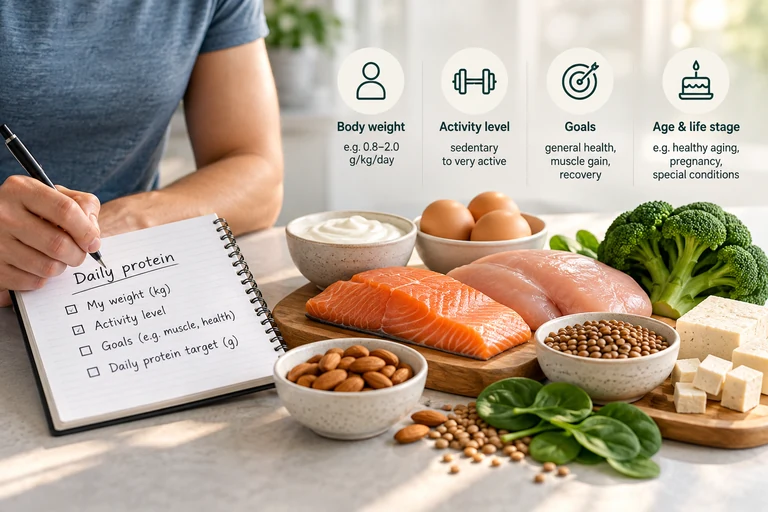
That is why two people of the same body weight can reasonably have different protein targets even though their baseline calculation is identical.
Do Physically Active People Need More Protein?
Often, yes. Exercise increases the importance of tissue repair and remodeling, and protein requirements can rise when training volume and intensity increase.
The International Society of Sports Nutrition position stand states that approximately 1.4 to 2.0 grams of protein per kilogram of body weight per day is sufficient for most exercising individuals who want to support training adaptation and muscle maintenance or growth.
That range is not a command that everyone who exercises must immediately eat 2.0 grams per kilogram. Someone who walks regularly has different demands from a person performing high-volume resistance training several days per week. Total energy intake, training status, body composition goals, and diet quality also influence the practical target.
How Much Protein Is Useful for Building Muscle?
Muscle gain depends on more than protein. Progressive resistance training provides the primary stimulus, while sufficient energy, adequate protein, recovery, sleep, and consistency create the conditions in which adaptation can occur.
A large systematic review and meta-analysis of resistance-training studies found that protein supplementation produced modest additional gains in muscle mass and strength when combined with resistance training. Its meta-regression suggested that average gains in fat-free mass did not continue increasing indefinitely as protein intake rose, with the response leveling off around 1.6 grams per kilogram per day on average.
That number should not be treated as a precise biological ceiling for every individual. The confidence interval around the estimate was wide, and studies differed in participants, training programs, baseline diets, and supplementation strategies. The more useful conclusion is that progressively increasing protein intake does not produce progressively larger muscle gains without limit.
Does More Protein Always Mean Better Results?
No. Once protein intake is sufficient for a person's nutritional and training needs, adding progressively more protein does not guarantee proportional improvements in muscle, strength, recovery, or health.
Protein also exists within a complete diet. Very high intake can crowd out foods that provide carbohydrates, unsaturated fats, fiber, fruits, vegetables, and other nutrients if the diet becomes overly centered on one macronutrient.
A useful protein target should therefore make sense within the whole eating pattern rather than becoming a competition to reach the largest possible number.
How Much Protein Should You Eat at Each Meal?
Daily intake matters more than finding one perfect number for every meal. However, spreading protein-containing foods across the day can be a practical way to reach a daily target and provide repeated opportunities for protein intake rather than consuming most of it in one sitting.
A systematic review examining protein distribution found that a more even distribution across meals was associated with higher muscle mass in some research, but evidence for muscle strength and whole-body protein turnover was less consistent.
This means an even distribution can be a reasonable habit, especially for someone who tends to eat very little protein early in the day, but current evidence does not justify treating an exact meal-by-meal pattern as mandatory for every adult.
Does Protein Timing Matter?
Protein timing receives considerable attention because resistance exercise temporarily increases the muscle's responsiveness to dietary protein. That does not mean there is a tiny post-workout window that closes if a shake is not consumed immediately.
A meta-analysis examining protein timing and muscular adaptation found that apparent timing advantages became much smaller when total daily protein intake was taken into account. This supports a broader principle: consuming enough protein across the day is generally more important than racing to consume it within a few minutes after exercise.
Eating a protein-containing meal reasonably close to training can still be convenient and sensible. It simply does not need to become a rigid rule.
Whole Foods vs. Protein Powder
Protein powder can be useful, but it is not a fundamentally different nutrient from dietary protein. Whey, casein, soy, pea, and other protein powders are concentrated sources designed to make protein intake more convenient.
Whole protein foods contribute more than amino acids alone. Depending on the food, they can also provide iron, calcium, vitamin B12, omega-3 fats, fiber, healthy fats, carbohydrates, and other nutrients.
Someone who comfortably meets protein needs through meals does not automatically need protein powder. Someone who struggles to eat enough protein, travels frequently, has limited meal-preparation time, or wants a convenient post-training option may find it useful.
What Foods Are Good Sources of Protein?
USDA MyPlate groups many foods as protein foods, including meat, poultry, seafood, eggs, beans, peas, lentils, nuts, seeds, and soy products. Dairy foods such as milk, yogurt, and cheese also contribute substantial protein even though they are categorized separately in MyPlate.
A practical diet can combine several of these foods rather than depending on one source. Eggs at breakfast, yogurt or soy foods as a snack, beans or lentils at lunch, and fish, poultry, tofu, or another protein-rich food at dinner can collectively provide substantial protein without requiring every meal to revolve around supplements.
Can You Get Enough Protein From Plant Foods?
Yes. Well-planned vegetarian and vegan diets can provide adequate protein and all essential amino acids. Legumes, soy foods, grains, nuts, seeds, peas, and other plant foods all contribute protein.
A review of protein and amino acids in vegetarian diets found that protein adequacy is generally achievable when total food intake is sufficient and the diet includes varied protein sources. Plant proteins differ in amino acid composition and digestibility, but the common idea that every plant-based meal must contain perfectly complementary proteins at the same moment is unnecessarily rigid.
Variety across the day is generally more important than trying to construct a precise amino-acid combination at every meal.
Protein Needs and Healthy Aging
Preserving muscle becomes increasingly relevant with age because muscle mass and strength tend to decline over time. Protein intake is one part of that picture, but it works alongside resistance exercise, adequate energy intake, physical activity, and overall health.
The standard adult RDA remains an important reference point, but individual needs can differ. Older adults who are losing weight unintentionally, recovering from illness, eating less, or trying to preserve muscle may benefit from discussing protein intake with a registered dietitian or healthcare professional rather than relying on a generic online calculator.
Protein and Weight Management
Protein can be useful within a weight-management diet because it contributes to satiety and helps provide amino acids needed to maintain body proteins. But protein intake alone does not determine whether body weight rises or falls.
Total energy intake, food quality, physical activity, sleep, medications, health conditions, and individual behavior all contribute. A higher-protein eating pattern can be one strategy, but it should not be presented as a replacement for the rest of the diet or as a guaranteed method of losing body fat.
Do You Need to Track Protein Every Day?
Not necessarily. Tracking can be useful temporarily when someone has a specific training goal, is unsure whether current intake is adequate, or is learning which foods provide meaningful amounts of protein.
For many people, once a consistent pattern of protein-containing meals is established, precise daily counting becomes less important. The purpose of calculating a target is to guide the diet, not to turn every meal into a mathematical exercise.
A Practical Example
Consider a healthy adult who weighs 75 kilograms and is mostly sedentary. Using the RDA, the baseline calculation is approximately 60 grams per day.
Now consider another 75-kilogram adult who performs regular resistance training. Using the 1.4-to-2.0-gram-per-kilogram range described in the ISSN position stand gives approximately 105 to 150 grams per day.
Those two people have the same body weight, yet their activity and goals make the context different. Neither calculation should be treated as a prescription without considering the rest of the diet, training program, health status, and individual response.
Who May Need Individualized Protein Advice?
General protein recommendations are designed for populations, not every medical circumstance. People dealing with chronic disease, significant unintentional weight loss, poor appetite, pregnancy, recovery from illness or injury, or other conditions that substantially change nutritional needs should seek individualized guidance.
The same applies when someone wants to make a major dietary change or adopt a very high-protein diet. A registered dietitian or qualified healthcare professional can account for health history, medications, laboratory findings, energy needs, and the rest of the diet in a way that a simple grams-per-kilogram calculation cannot.
Bottom Line
For healthy adults in the general population, 0.8 grams of protein per kilogram of body weight per day is the standard RDA and a useful baseline reference.
People who exercise regularly, particularly those performing resistance training, may reasonably consume more. Evidence and professional guidance for exercising adults commonly support higher intakes, while research on resistance training suggests that benefits do not continue increasing without limit as protein intake rises.
The practical goal is not to maximize protein at every opportunity. It is to consume enough for your circumstances, obtain it from a varied diet, distribute protein-containing foods in a way that fits your routine, and remember that muscle health depends on training, adequate energy, recovery, sleep, and overall nutrition as well as protein itself.
Was this article helpful?
Your anonymous response helps improve our editorial coverage.
Loading feedback options…
Share
Share this article
Selected references
Recommended products
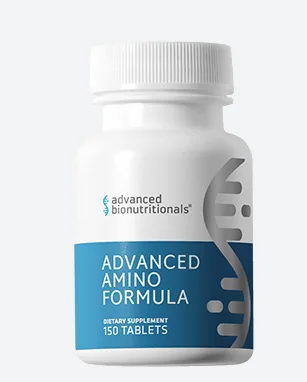 Advanced Amino Formula
A dietary supplement from Advanced Bionutritionals combining eight essential amino acids to support protein intake, muscle health, physical performance, and recovery.
View product details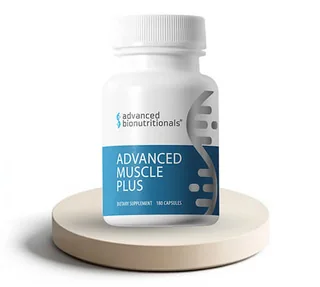 Advanced Muscle Plus
A formula containing DL185 dileucine, calcium HMB monohydrate (myHMB), vitamin D, and calcium, marketed for muscle health and recovery. Ingredient research and manufacturer claims are distinct from finished-product evidence.
View product details
More from Planet Wellness Report
Continue Reading
Nutrition
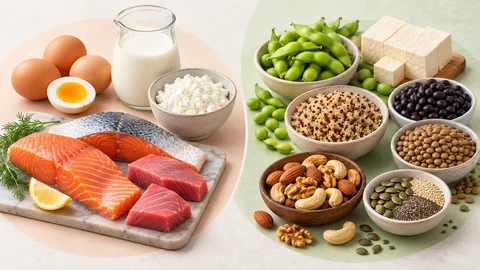
Foods High in Essential Amino Acids: Compare Real Meal Portions
Compare eggs, yogurt, chicken, tofu, beans, and rice using stated portions and USDA data. See why all nine EAAs does not make every serving equivalent.
7 min read
Nutrition
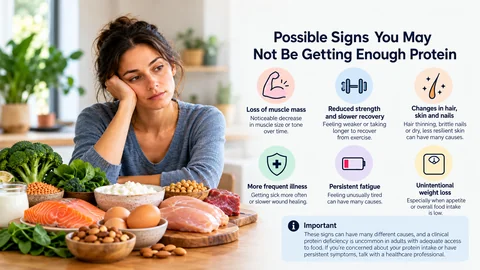
Signs You’re Not Getting Enough Protein: What to Watch For
Learn about possible signs of inadequate protein intake, including muscle loss, reduced strength, fatigue, hair or nail changes, unintended weight loss, and severe malnutrition signs—and why symptoms alone cannot diagnose protein deficiency.
13 min read
Nutrition
Advanced Amino Formula Review: Ingredients, Evidence, and Value
Advanced Amino Formula reviewed: five-tablet serving, eight-amino-acid blend, undisclosed leucine dose, missing histidine, research context, and purchase value.
8 min read
Evidence
Sources
- Institute of Medicine; Food and Nutrition Board. Dietary Reference Intakes for Energy, Carbohydrate, Fiber, Fat, Fatty Acids, Cholesterol, Protein, and Amino Acids — National Academies Press · DOI
- Joint FAO/WHO/UNU Expert Consultation on Protein and Amino Acid Requirements in Human Nutrition. Protein and Amino Acid Requirements in Human Nutrition: Report of a Joint FAO/WHO/UNU Expert Consultation — World Health Organization
- Ralf Jäger et al.; International Society of Sports Nutrition. International Society of Sports Nutrition Position Stand: Protein and Exercise — Journal of the International Society of Sports Nutrition (Jun 20, 2017) · DOI
- Robert W. Morton; Kevin T. Murphy; Sean R. McKellar; Brad J. Schoenfeld; Menno Henselmans; Eric Helms; Alan A. Aragon; Michaela C. Devries; Laura Banfield; James W. Krieger; Stuart M. Phillips. A Systematic Review, Meta-analysis and Meta-regression of the Effect of Protein Supplementation on Resistance Training-Induced Gains in Muscle Mass and Strength in Healthy Adults — British Journal of Sports Medicine (Mar 1, 2018) · DOI
- Simon E. Jespersen; Jakob Agergaard. Evenness of Dietary Protein Distribution Is Associated With Higher Muscle Mass but Not Muscle Strength or Protein Turnover in Healthy Adults: A Systematic Review — European Journal of Nutrition (Feb 6, 2021) · DOI
- François Mariotti; Christopher D. Gardner. Dietary Protein and Amino Acids in Vegetarian Diets: A Review — Nutrients (Nov 4, 2019) · DOI
- U.S. Department of Agriculture. Protein Foods — USDA MyPlate
- Protein in diet — MedlinePlus / U.S. National Library of Medicine
- Brad Jon Schoenfeld; Alan Albert Aragon; James W. Krieger. The Effect of Protein Timing on Muscle Strength and Hypertrophy: A Meta-analysis — Journal of the International Society of Sports Nutrition (Dec 3, 2013) · DOI