
Curated wellness reading path
Support Physical Performance
Read exercise-outcome evidence separately from nitric-oxide mechanisms and mitochondrial biomarkers.
What this goal means
Choose the outcome before the ingredient: strength and repeated high-intensity work, endurance, or the nutrition that supports training. A mitochondrial marker and a result measured during exercise answer different questions.
For resistance-training questions, begin with the creatine article and the daily protein guide. For endurance-oriented precursor questions, use the beetroot comparison. Recovery between sessions has its own reading path; the HMB article also explains why findings in bed rest and older clinical populations cannot simply be transferred to trained lifters.
Choose recovery when your question concerns nutrition between sessions rather than an acute performance outcome. Training recovery.
Start here
- Creatine Monohydrate for Muscle and Strength: What the Research Actually Shows
For strength and training questions, separate early water-related lean-mass changes from strength and muscle outcomes.
- How Much Protein Do You Need Per Day? A Practical Guide for Adults
Check the nutritional foundation before comparing isolated amino acid formats.
- Beetroot vs. L-Citrulline for Nitric Oxide Support: Which Fits Your Goal?
For endurance interest, compare the supplied preparation and actual exercise outcome.
Nutrition
Creatine Monohydrate for Muscle and Strength: What the Research Actually ShowsCreatine monohydrate can support some training outcomes. Separate strength, hypertrophy, lean mass, and water changes—and understand the safety evidence.
Planet Wellness Report · Oct 17, 2026
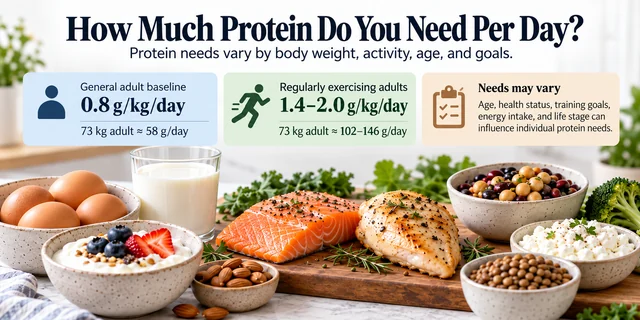
Nutrition
How Much Protein Do You Need Per Day? A Practical Guide for AdultsLearn how much protein adults generally need per day, how to calculate a baseline intake, why active people may need more, and how food quality, distribution, and training goals fit into the bigger picture.
Planet Wellness Report · Sep 28, 2026
Nutrition
Beetroot vs. L-Citrulline for Nitric Oxide Support: Which Fits Your Goal?Compare beetroot and L-citrulline by nitric oxide pathways, vascular measures, exercise outcomes, and practical use—without assuming one is best for everyone.
Planet Wellness Report · Oct 7, 2026
Explore by topic
Between sessions and across populations
Recovery markers, muscle retention during disuse, and an additional training benefit are separate claims.

Nutrition
Protein for Muscle Health and Recovery: How Much Does Timing Really Matter?Total daily protein matters more than chasing a 30-minute window, but timing can still be useful. Learn how pre-workout meals, post-workout protein, distribution, and optional pre-sleep intake fit into muscle recovery.
Planet Wellness Report · Sep 21, 2026

Nutrition
HMB for Muscle Loss, Strength, and Recovery: What Human Research Actually ShowsHMB research differs across lifters, older adults, and clinical settings. Separate muscle size, strength, soreness, biomarkers, and function before judging a claim.
Planet Wellness Report · Oct 18, 2026
Check what a mechanism actually predicts
Use these explanations after defining the exercise question, not as evidence of performance on their own.

Energy
What Is Nitric Oxide? How It Supports Circulation, Energy, and ExerciseNitric oxide helps regulate blood vessel tone and circulation, but it is not a stimulant or a direct source of energy. Learn how the body produces it, what exercise research shows, and where beetroot and L-citrulline fit.
Planet Wellness Report · Sep 20, 2026

Energy
PQQ and Mitochondrial Health: What Human Research Actually ShowsWhat do PQQ supplements actually do? Explore human research on mitochondrial markers, energy, fatigue, sleep, cognition, and exercise performance.
Planet Wellness Report · Oct 10, 2026
Related ingredients
Follow the ingredient definitions to compare roles and preparations, rather than treating them as interchangeable products.
More from this collection

Healthy Aging
How Balance Changes With Age—and What Helps Maintain ItBalance involves more than strong legs. Learn how sensory inputs, movement practice and the environment interact, and how to interpret exercise and fall outcomes.
Planet Wellness Report · Oct 22, 2026
Energy
CircO2 Review: What the 420 mg Blend Reveals—and HidesCircO2’s lozenge discloses vitamin C 100 mg, B12 1,000 mcg and a 420 mg total blend. It does not disclose individual beetroot, hawthorn, citrulline or sodium-nitrite amounts, nitrate content, or a separate elemental-magnesium dose. That prevents the dose comparisons central to its nitric-oxide positioning.
Planet Wellness Report · Sep 26, 2026
Energy
How to Increase Nitric Oxide Naturally: Foods, Exercise, and Evidence-Based StrategiesFood and exercise come first when supporting the body's nitric oxide pathways, and oral bacteria also play an important role. Beetroot and L-citrulline may be useful in specific contexts, but claims about boosting nitric oxide deserve cautious interpretation.
Planet Wellness Report · Sep 22, 2026
Related products
- Advanced Amino Formula
A dietary supplement from Advanced Bionutritionals combining eight essential amino acids to support protein intake, muscle health, physical performance, and recovery.
- CircO2
Lozenge with vitamin C, B12 and a 420 mg proprietary blend of beetroot, hawthorn, L-citrulline and sodium nitrite. Individual blend amounts and a separate elemental-magnesium amount are not declared.