
ARTICLE
What Is Nitric Oxide? How It Supports Circulation, Energy, and Exercise
A practical look at how nitric oxide affects blood vessels, exercise physiology, and the body's response to dietary nitrate and L-citrulline.
By Planet Wellness Report · Sep 20, 2026 · 10 min read
Editorial review and publication: Felipe Lopes, Publisher & Editor. This is an editorial review, not a medical review.

Nitric oxide is a tiny, short-lived molecule with an important job. The body makes it as a chemical signal that helps blood vessels adjust their width, allowing circulation to respond to changing demands. This function becomes especially relevant during physical activity, when working muscles need a steady supply of oxygen and nutrients.
That physiology has made nitric oxide a popular subject in exercise and supplement marketing. Products containing beetroot, dietary nitrate, L-arginine, or L-citrulline are often positioned as ways to increase nitric oxide. The biological pathways are real, but a plausible mechanism does not guarantee that a supplement will noticeably improve energy, endurance, or performance for every person.
Understanding the distinction matters. Nitric oxide is not a stimulant, does not supply calories, and is not a direct source of cellular energy. It helps regulate processes that may influence exercise efficiency and blood flow, while actual energy levels and performance depend on many other factors.
What Is Nitric Oxide?
A Short-Lived Signaling Molecule
Nitric oxide, commonly abbreviated as NO, is a gas produced naturally throughout the body. Unlike hormones that can travel long distances in the bloodstream, nitric oxide usually acts close to where it is made and breaks down quickly. This allows tissues to make rapid, localized adjustments.
Its functions extend beyond circulation. Nitric oxide participates in nerve signaling, immune responses, platelet activity, and aspects of muscle physiology. In the cardiovascular system, one of its best-established roles is helping control vascular tone—the degree to which blood vessels are constricted or relaxed.
Nitric Oxide Is Not Nitrous Oxide
Nitric oxide is sometimes confused with nitrous oxide because their names sound similar. They are different compounds with different uses and biological effects. Nitrous oxide is the anesthetic gas sometimes used in medical and dental settings. Nitric oxide is a signaling molecule the human body produces as part of normal physiology.
How the Body Produces Nitric Oxide
The body has more than one route for making nitric oxide. Two pathways are especially relevant to everyday wellness discussions: an enzyme-driven pathway that begins with the amino acid L-arginine and a dietary pathway that begins with nitrate.
The L-Arginine and Nitric Oxide Synthase Pathway
In the canonical pathway, enzymes called nitric oxide synthases convert L-arginine into nitric oxide. One form of the enzyme, endothelial nitric oxide synthase, is active in the cells lining blood vessels. The reaction depends on oxygen and several supporting molecules, so nitric oxide production is shaped by more than the amount of a single amino acid in the diet.
L-citrulline is connected to this pathway because the body can convert it into L-arginine, primarily in the kidneys. Supplemental L-citrulline can raise circulating arginine, but that biochemical change should not be treated as proof that it will improve exercise performance or make someone feel more energetic.
The Nitrate–Nitrite–Nitric Oxide Pathway
A second route begins with nitrate, which occurs naturally in foods such as leafy greens and beets. After nitrate is consumed, part of it circulates back into saliva. Bacteria in the mouth convert some of that nitrate into nitrite. Once swallowed, nitrite can be converted further into nitric oxide through reactions in the stomach, blood, and tissues.
This pathway is sometimes called noncanonical because it does not rely directly on nitric oxide synthase. It may become particularly relevant in environments where oxygen availability is lower or acidity is higher, including working muscle during demanding activity.
Why the Oral Microbiome Matters
The nitrate pathway illustrates how the oral microbiome can participate in human physiology. Nitrate-reducing bacteria on the tongue help complete the first conversion step. That does not mean every change to the oral microbiome has a predictable whole-body effect, but it does show why dietary nitrate is not processed in isolation.
Research has explored whether strong antiseptic mouthwash can interfere with nitrate reduction by suppressing these bacteria. The practical significance may vary, and oral hygiene decisions should still be based on dental needs rather than on an attempt to maximize nitric oxide.
How Nitric Oxide Supports Circulation
Nitric oxide helps blood vessels respond dynamically instead of remaining at one fixed diameter. Its effect on vascular tone is central to its role in circulation, but it should not be described as a treatment for cardiovascular disease or as a guarantee of better blood flow in every situation.
Blood Vessel Relaxation and Vascular Tone
When endothelial cells produce nitric oxide, the molecule diffuses into nearby smooth muscle in the vessel wall. It activates signaling that reduces smooth-muscle contraction, allowing the vessel to relax and widen. This process, called vasodilation, helps the body direct blood flow according to local demand.

Blood Flow, Oxygen, and Nutrient Delivery
Blood carries oxygen, glucose, fatty acids, and other nutrients that tissues use. During exercise, circulation adjusts so active muscles receive a greater share of cardiac output. Nitric oxide is one contributor to that coordinated response, alongside changes in heart rate, breathing, nervous-system activity, temperature regulation, and local metabolic signals.
Because nitric oxide supports vasodilation, it is tempting to assume that more nitric oxide always means better circulation. Biology is more carefully regulated than that. The body balances vessel relaxation and constriction, and the useful response depends on timing, location, health status, and the demands placed on the tissue.
Does Nitric Oxide Increase Energy?
Circulation Support Is Not the Same as a Stimulant Effect
Nitric oxide does not stimulate the central nervous system in the way caffeine does. It also does not contain calories or directly produce adenosine triphosphate, the molecule cells use to transfer energy. A person should not expect nitric oxide support to create an immediate feeling of alertness.
People use the word energy to describe several different things, including wakefulness, motivation, exercise capacity, and resistance to fatigue. These experiences are influenced by sleep, nutrition, hydration, fitness, stress, medical conditions, medications, and many other variables. Better vascular responsiveness may support physical function, but it does not automatically resolve low energy.
Nitric Oxide, Mitochondria, and Exercise Efficiency
Dietary nitrate research has examined whether increasing nitric oxide availability can change the oxygen cost of exercise, muscle contractile function, or mitochondrial efficiency. Some studies suggest that nitrate may allow a given amount of submaximal work to be performed with slightly less oxygen. That is an exercise-efficiency finding, not evidence that nitrate supplies energy.
Even when a physiological measure changes, the result may not translate into a meaningful improvement in speed, endurance, strength, or day-to-day vitality. Performance outcomes need to be evaluated directly rather than inferred from the mechanism alone.
Nitric Oxide and Exercise Performance
Where Dietary Nitrate May Help
Research on nitrate-rich beetroot products has reported benefits for some exercise outcomes. A 2025 umbrella review combining 20 systematic reviews found improvements in areas including time to exhaustion, total distance covered, muscular endurance, and peak power. The effects were not consistent across every outcome.
The findings suggest that dietary nitrate can be useful in certain circumstances, especially for some recreationally active people and particular exercise tasks. They do not establish a universal benefit, and an improvement measured across a group does not predict how any one person will respond.
Why Results Vary Between People and Activities
Training status, habitual diet, baseline nitrate intake, exercise type, intensity, supplement dose, timing, and duration can all affect study results. The nitrate content of beetroot products can also vary. A product's total amount of beetroot powder is not necessarily the same as a standardized amount of nitrate.
Highly trained athletes may respond differently from recreational exercisers. Endurance tests, repeated high-intensity efforts, resistance exercise, and short power tasks also place different demands on the body, so findings from one setting should not automatically be applied to another.
What the Current Evidence Does Not Prove
The umbrella review found no significant improvement for several assessed performance outcomes, and most of the included systematic reviews were rated as having low or critically low methodological quality. This does not mean dietary nitrate never works. It means the overall evidence is mixed and less certain than confident marketing language may suggest.
Research also does not show that every supplement advertised as a nitric oxide booster delivers an effective nitrate dose, raises nitric oxide to the same extent, or improves real-world performance. Ingredient names and proposed pathways are not substitutes for product-specific evidence.
Ways to Support Nitric Oxide Production
The body already produces nitric oxide. Supporting the underlying physiology does not require treating it as a single number that must always be pushed higher. Food patterns, physical activity, and overall cardiovascular health provide a more useful foundation than chasing a temporary sensation.
Nitrate-Rich Vegetables and Beetroot
Leafy greens such as arugula, spinach, and lettuce, along with beets and celery, can provide dietary nitrate. The nitrate content varies with the plant, growing conditions, storage, and preparation. These foods also provide other nutrients and can fit into a balanced eating pattern without requiring a concentrated supplement.
Nitrate in vegetables should not be treated as nutritionally identical to nitrate or nitrite in every food context. Vegetables come with vitamin C, polyphenols, fiber, and other components, while processed foods can have a very different nutritional profile.
Exercise and Everyday Movement
Physical activity increases the need to adjust blood flow and engages endothelial signaling. Over time, regular movement is associated with adaptations that support vascular function. Walking, cycling, swimming, and other sustainable activities can therefore support the broader system in which nitric oxide operates.
The most appropriate amount and intensity of exercise depend on health, fitness, and individual circumstances. People with symptoms, cardiovascular concerns, or significant limitations should seek suitable professional guidance rather than using a supplement to compensate for an unsafe exercise plan.
L-Citrulline and the Arginine Pathway
L-citrulline occurs naturally in the body and is also present in foods, most notably watermelon. Because it can be converted into L-arginine, it may increase the substrate available for nitric oxide synthesis. This has made it a common ingredient in pre-workout and circulation-oriented supplements.
Evidence for aerobic performance remains unconvincing. A 2022 systematic review and meta-analysis found no significant benefit across the aerobic exercise outcomes it assessed. Studies in other exercise settings have produced varied results, so claims about endurance, strength, or recovery should remain specific and cautious.
Nitric Oxide Supplements: Evidence and Safety
Supplements can deliver concentrated ingredients, but concentration does not remove uncertainty. Product composition, standardization, independent testing, health status, and medication use all affect whether a supplement is appropriate.
Beetroot and Dietary Nitrate
Beetroot juice and standardized nitrate products are the most extensively studied approaches in this category. Short-term research at commonly studied amounts has generally not identified major safety concerns in healthy adults, although gastrointestinal discomfort can occur. Beet pigments may also temporarily turn urine or stool pink or red, which is usually harmless.
A label that lists beetroot powder without stating nitrate content provides limited information about how closely the product resembles preparations used in research. More is not necessarily better, and long-term use has been studied less thoroughly than short-term exercise protocols.
L-Citrulline
L-citrulline and citrulline malate are not interchangeable descriptions. Citrulline malate contains both citrulline and malate, so its total weight does not equal its citrulline content. Research protocols and commercial labels can also differ substantially.
Short studies have reported relatively few safety concerns at commonly investigated amounts, but stomach discomfort can occur and long-term safety is less certain. The limited and conflicting performance evidence does not support treating L-citrulline as a guaranteed ergogenic aid.
Medication and Low-Blood-Pressure Considerations
Because nitrate-containing and other vasodilatory supplements may affect blood pressure or circulation, they may not be appropriate for everyone. People with low blood pressure, cardiovascular conditions, or symptoms such as dizziness should use particular caution.
Anyone taking medication that affects blood pressure, circulation, or vascular tone should consult a physician or pharmacist before using a concentrated nitric oxide product. The same applies during pregnancy, before surgery, or when managing a chronic condition. Medication should never be stopped or adjusted based on supplement information alone.
The Bottom Line
Nitric oxide is a normal signaling molecule that helps blood vessels relax and supports the body's ability to adjust circulation. The body can produce it through an L-arginine-dependent enzyme pathway and through the conversion of dietary nitrate to nitrite and then nitric oxide.
Those mechanisms help explain why beetroot, nitrate, and L-citrulline attract interest, but they do not prove that every supplement improves energy or exercise performance. Dietary nitrate has produced benefits for some exercise outcomes, while results remain mixed overall. Evidence for L-citrulline and aerobic performance is more limited.
For most people, nitrate-rich vegetables and regular physical activity offer practical ways to support the broader physiology involved. Concentrated supplements deserve a more individualized decision, especially when low blood pressure, medications, or cardiovascular concerns are involved.
Was this article helpful?
Your anonymous response helps improve our editorial coverage.
Loading feedback options…
Share
Share this article
Selected references
Recommended products
More from Planet Wellness Report
Continue Reading
Energy
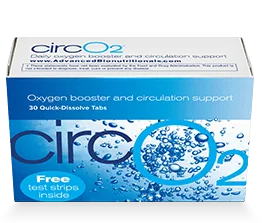
CircO2 Review: What the 420 mg Blend Reveals—and Hides
CircO2’s lozenge discloses vitamin C 100 mg, B12 1,000 mcg and a 420 mg total blend. It does not disclose individual beetroot, hawthorn, citrulline or sodium-nitrite amounts, nitrate content, or a separate elemental-magnesium dose. That prevents the dose comparisons central to its nitric-oxide positioning.
9 min read
Energy
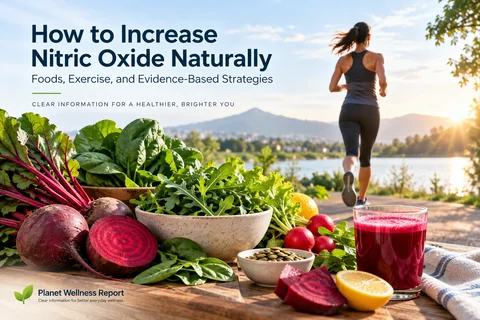
How to Increase Nitric Oxide Naturally: Foods, Exercise, and Evidence-Based Strategies
Food and exercise come first when supporting the body's nitric oxide pathways, and oral bacteria also play an important role. Beetroot and L-citrulline may be useful in specific contexts, but claims about boosting nitric oxide deserve cautious interpretation.
13 min read
Nutrition
Beetroot vs. L-Citrulline for Nitric Oxide Support: Which Fits Your Goal?
Compare beetroot and L-citrulline by nitric oxide pathways, vascular measures, exercise outcomes, and practical use—without assuming one is best for everyone.
8 min read
Evidence
Sources
- Salvador Moncada, Richard M. J. Palmer, Edward A. Higgs. Nitric oxide: physiology, pathophysiology, and pharmacology — Pharmacological Reviews (Jun 1, 1991)
- Vikas Kapil, Rukshana S. Khambata, David A. Jones et al. The Noncanonical Pathway for In Vivo Nitric Oxide Generation: The Nitrate-Nitrite-Nitric Oxide Pathway — Pharmacological Reviews (Jul 1, 2020) · DOI
- Andrew M. Jones, Anni Vanhatalo, Douglas R. Seals, Matthew J. Rossman, Barbora Piknova, Kristin L. Jonvik. Dietary Nitrate and Nitric Oxide Metabolism: Mouth, Circulation, Skeletal Muscle, and Exercise Performance — Medicine & Science in Sports & Exercise (Feb 1, 2021) · DOI
- Eric T. C. Poon, Jason C. K. Iu, Wai M. K. Sum et al.. Dietary Nitrate Supplementation and Exercise Performance: An Umbrella Review of 20 Published Systematic Reviews with Meta-analyses — Sports Medicine (May 1, 2025) · DOI
- Aitor Viribay, Javier Fernández-Landa, Alejandro Castañeda-Babarro et al.. Effects of Citrulline Supplementation on Different Aerobic Exercise Performance Outcomes: A Systematic Review and Meta-Analysis — Nutrients (Sep 1, 2022) · DOI
- Dietary Supplements for Exercise and Athletic Performance: Fact Sheet for Health Professionals — NIH Office of Dietary Supplements