
Ingredient research hub
Magnesium
What it is
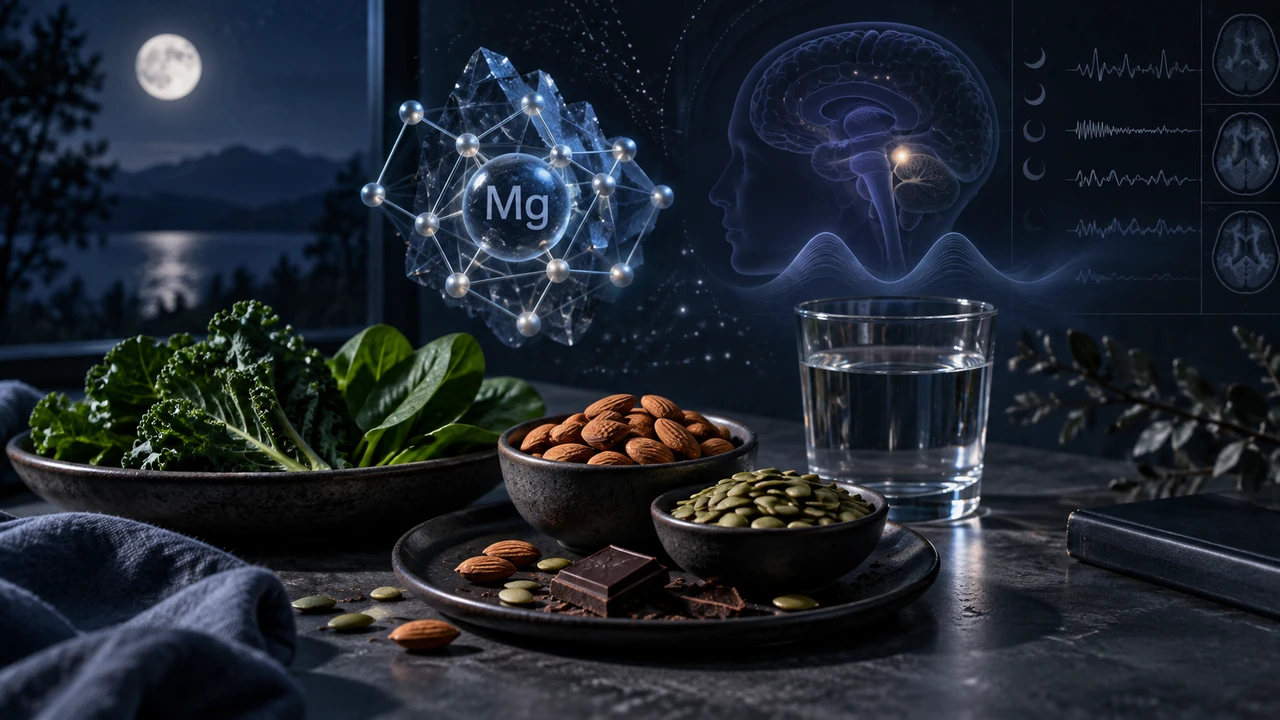
Magnesium is an essential mineral involved in many enzyme reactions, including those related to muscle and nerve function and energy metabolism. Foods such as legumes, nuts, seeds, whole grains, and leafy vegetables contribute to intake. Supplements pair magnesium with different compounds; the compound weight is not the same as the amount of elemental magnesium.
Why people look for it
Sleep, dietary adequacy, and supplement format are common reasons for looking it up. This page provides orientation; the sleep article and comparisons address those more specific decisions.
What research generally looks at
Research considers magnesium status, absorption, and outcomes such as sleep measures. Studies differ in population and preparation, so the existence of an essential physiological role is not proof that extra magnesium improves sleep.
Important context
Magnesium glycinate is not interchangeable with isolated glycine used in sleep trials. Kidney function, medicines, and total supplemental intake can change suitability. Compare labels by elemental magnesium, not by the number of magnesium forms advertised.
Related research
Choose a specific evidence question below. Formula reviews provide label context; they do not establish that the complete product reproduces an ingredient study.
Sleep
Magnesium for Sleep: Does It Really Help? What the Evidence SaysMagnesium may support sleep in some people, but current research remains mixed. Here is what clinical studies say about magnesium, sleep quality, dosage, food sources, and safety.
Planet Wellness Report · Sep 19, 2026

Sleep
How to Improve Sleep Quality Naturally: What to Change FirstTrouble settling, repeated awakenings, unrefreshing sleep, or weekend shifts? Identify the pattern and choose what to address first.
Planet Wellness Report · Sep 19, 2026
Sleep
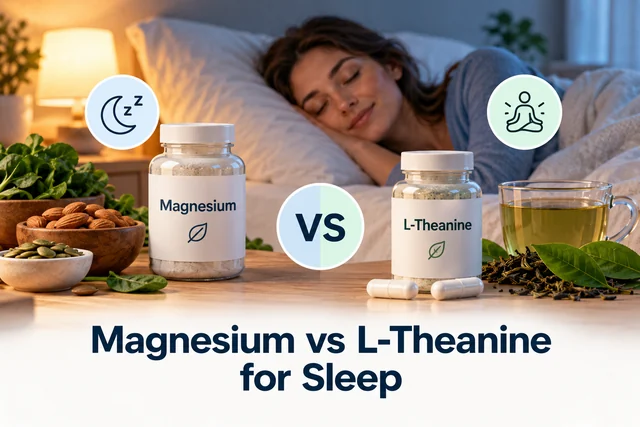
Magnesium vs L-Theanine for Sleep: Which One Makes More Sense?Compare magnesium vs L-theanine for sleep, including how they differ, what the evidence shows, their potential roles in relaxation and sleep quality, safety, and when each may make more sense.
Planet Wellness Report · Oct 1, 2026
Sleep
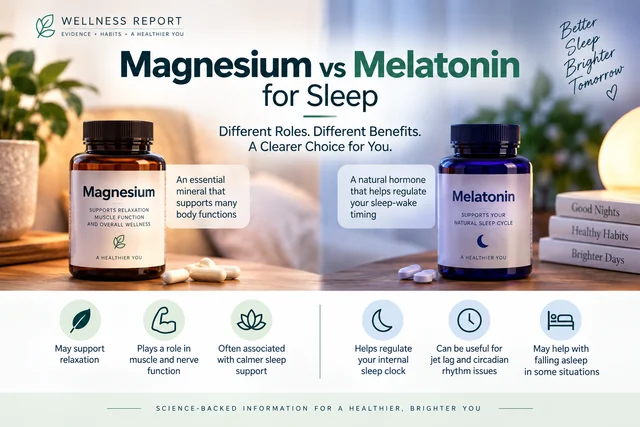
Magnesium vs Melatonin for Sleep: Which One Makes More Sense?Magnesium and melatonin are often treated as interchangeable sleep supplements, but they play very different biological roles. Compare their evidence, potential uses, limitations, and safety.
Planet Wellness Report · Sep 23, 2026
Energy
Advanced Mitochondrial Formula Review: Many Ingredients, Which Dose Matches?This two-capsule formula discloses individual amounts, including CoQ10 50 mg, acetyl L-carnitine 190 mg and PQQ disodium salt 5 mg. That supports a label audit, but several ingredient studies use different doses or populations and do not establish an energy benefit from this combination.
Planet Wellness Report · Oct 10, 2026

Sleep
Yu Sleep Review: A Known Melatonin Dose Inside an Undisclosed BlendYu Sleep’s owner-confirmed formula provides 0.9 mg melatonin in a 2 mL serving, plus a 637 mg blend whose seven ingredient amounts are hidden. Its liquid format is a preference feature; the disclosure cannot establish how much magnesium, theanine, apigenin, GABA or other blend constituents a serving supplies.
Planet Wellness Report · Oct 2, 2026
Energy
CircO2 Review: What the 420 mg Blend Reveals—and HidesCircO2’s lozenge discloses vitamin C 100 mg, B12 1,000 mcg and a 420 mg total blend. It does not disclose individual beetroot, hawthorn, citrulline or sodium-nitrite amounts, nitrate content, or a separate elemental-magnesium dose. That prevents the dose comparisons central to its nitric-oxide positioning.
Planet Wellness Report · Sep 26, 2026

Sleep
Magnesium Breakthrough Review: The 500 mg Decision Before the Seven FormsThe regular Magnesium Breakthrough label supplies 500 mg elemental magnesium per two capsules, above the U.S. adult supplemental/medication UL of 350 mg/day. The seven forms are named but their individual contributions are hidden. Dose suitability comes before paying for form variety, whose clinical superiority remains unverified.
Planet Wellness Report · Sep 22, 2026
Related ingredients
Follow the ingredient definitions to compare roles and preparations, rather than treating them as interchangeable products.
Sources / Learn more
Products containing it
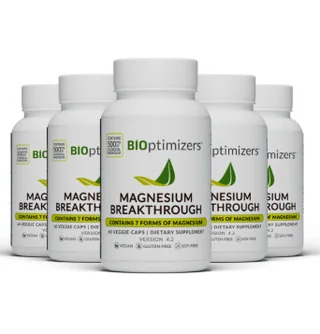 Magnesium Breakthrough
BIOptimizers
Regular seven-form magnesium capsule supplement: 500 mg elemental magnesium per two capsules, with individual form contributions undisclosed. Dose suitability and other magnesium sources matter more than the number of forms.
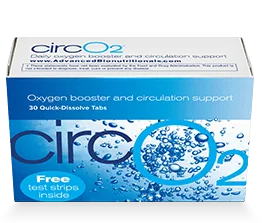 CircO2
Advanced Bionutritionals
Lozenge with vitamin C, B12 and a 420 mg proprietary blend of beetroot, hawthorn, L-citrulline and sodium nitrite. Individual blend amounts and a separate elemental-magnesium amount are not declared.
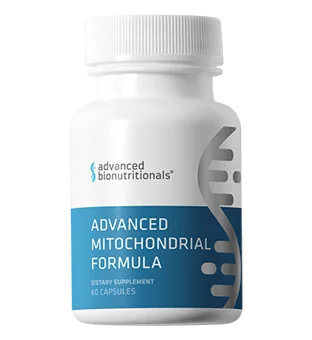 Advanced Mitochondrial Formula
Advanced Bionutritionals
Two-capsule multi-ingredient formula with individually disclosed amounts, including CoQ10 50 mg, acetyl L-carnitine 190 mg and PQQ disodium salt 5 mg. Ingredient research does not establish the combination’s energy effect.
Product inclusion indicates a catalog relationship, not an efficacy endorsement.