
ARTICLE
Magnesium for Sleep: Does It Really Help? What the Evidence Says
Magnesium is widely promoted for better sleep, but the research is more nuanced than many supplement claims suggest.
By Planet Wellness Report · Sep 19, 2026 · 9 min read
Editorial review and publication: Felipe Lopes, Publisher & Editor. This is an editorial review, not a medical review.

Magnesium has become one of the most popular supplements associated with sleep. It is frequently promoted as a natural way to relax, fall asleep faster, and wake up feeling more rested. But popularity does not necessarily mean the evidence is settled. Magnesium is an essential mineral involved in hundreds of processes throughout the body, including normal nerve signaling, muscle function, energy metabolism, and regulation of several biological systems that influence relaxation and sleep. That makes the connection between magnesium and sleep biologically plausible—but clinical research tells a more complicated story.
What Does Magnesium Do in the Body?
Magnesium is required for normal muscle and nerve function, blood glucose regulation, blood pressure regulation, bone health, and energy production. It also participates in the activity of hundreds of enzymes. The nervous system depends on a balance between signals that increase activity and signals that help calm it. Magnesium participates in several of these processes, which is one reason researchers have investigated whether magnesium status may influence relaxation and sleep.
Why Is Magnesium Linked to Sleep?
The idea that magnesium may influence sleep is not based on a single mechanism. Magnesium contributes to normal nervous system function and interacts with pathways involved in muscle relaxation, stress responses, and neurotransmission. People who do not consume enough magnesium may also experience broader effects associated with inadequate intake. However, correcting a nutritional deficiency and taking extra magnesium despite already having adequate intake are not necessarily the same thing. This distinction is important when interpreting studies of magnesium supplements.
What Does the Research Actually Show?
The most recent evidence suggests that magnesium may provide modest sleep-related benefits for some people, but the findings are inconsistent. A 2026 systematic review evaluated randomized controlled trials in adults using oral magnesium as a stand-alone intervention. Twelve trials were included in the main sleep analysis. The researchers found substantial differences between studies in the populations studied, magnesium formulations, doses, treatment duration, and methods used to measure sleep. Overall, some studies reported improvements in subjective sleep outcomes, while others did not. The certainty of the evidence was rated low to very low, and the review concluded that current evidence does not support oral magnesium as a routine treatment for insomnia.
Can Magnesium Help You Fall Asleep Faster?
There is some evidence that magnesium may modestly reduce the time it takes certain people to fall asleep. A 2021 systematic review and meta-analysis examined three randomized controlled trials involving 151 older adults. Participants receiving magnesium fell asleep about 17 minutes faster on average than those receiving placebo. Total sleep time increased by about 16 minutes, but that difference was not statistically significant. The important limitation is that the studies were small and had moderate-to-high risk of bias. The authors rated the overall quality of evidence as low to very low, so the result should be interpreted cautiously rather than as proof that magnesium reliably reduces sleep latency.
What About Magnesium Bisglycinate?
Magnesium bisglycinate is frequently marketed specifically for relaxation and sleep. A recent randomized, double-blind, placebo-controlled trial provides useful context. The study enrolled 155 adults between ages 18 and 65 who reported poor sleep. Participants received either placebo or magnesium bisglycinate providing 250 mg of elemental magnesium per day for four weeks. Insomnia Severity Index scores improved slightly more in the magnesium group than in the placebo group. However, the effect size was small. Other psychological outcomes did not show significant differences between groups. This suggests that magnesium bisglycinate may provide a modest benefit for some adults with poor sleep, but the study does not support claims that it dramatically transforms sleep.
Does Magnesium Work Better if You Are Low in Magnesium?
This may be one of the most important questions in the magnesium-and-sleep discussion. In the magnesium bisglycinate trial, exploratory analyses suggested that people with lower dietary magnesium intake at baseline may have experienced greater improvements. That finding was exploratory rather than definitive, but it makes biological sense: correcting inadequate intake may be more meaningful than adding more magnesium when intake is already sufficient. More research is needed before magnesium status can be used to predict who will respond to supplementation.
Which Forms of Magnesium Are Commonly Used?
Magnesium supplements are available in several forms, including magnesium citrate, glycinate or bisglycinate, chloride, oxide, lactate, and others. According to the NIH Office of Dietary Supplements, forms that dissolve well in liquid tend to be absorbed more completely than less soluble forms. Magnesium citrate, chloride, lactate, and aspartate have demonstrated relatively good absorption compared with forms such as magnesium oxide. That does not automatically mean one form is proven to be the best for sleep. Head-to-head clinical trials examining different magnesium forms specifically for sleep remain limited.
Can You Get Enough Magnesium From Food?
For many people, food is the best place to start. Magnesium occurs naturally in a wide range of nutrient-dense foods, including leafy green vegetables, nuts, seeds, legumes, whole grains, and some fruits. Building these foods into your regular diet provides magnesium alongside fiber, vitamins, minerals, healthy fats, and other nutrients that supplements cannot fully replicate.

Examples of magnesium-rich foods include pumpkin seeds, almonds, spinach and other leafy greens, beans, whole grains, avocado, and dark chocolate. A food-first approach can be particularly useful if your overall goal is better sleep because diet is only one part of the picture. Regular sleep timing, light exposure, physical activity, caffeine habits, stress management, and the sleep environment all contribute to sleep quality.
How Much Magnesium Do Adults Need?
Recommended magnesium intake varies by age and sex. According to the NIH Office of Dietary Supplements, recommended daily amounts for most adults range from approximately 310 to 420 mg per day from all sources. This is different from the upper limit for supplemental magnesium. For adults, the tolerable upper intake level for magnesium from supplements and medications is 350 mg per day unless a healthcare professional recommends otherwise. That 350 mg limit does not include magnesium naturally present in food and beverages.
Can Magnesium Supplements Cause Side Effects?
Yes. Higher doses of supplemental magnesium can cause diarrhea, nausea, and abdominal cramping. Extremely high intake can lead to magnesium toxicity, particularly in people whose kidneys cannot efficiently remove excess magnesium. People with impaired kidney function should be especially cautious with magnesium supplements and should discuss supplementation with a qualified healthcare professional.
Does Magnesium Interact With Medications?
Magnesium can interact with certain medications. For example, it can interfere with the absorption of some antibiotics and bisphosphonates. Certain diuretics and other medications can also affect magnesium levels in the body. If you regularly take prescription medication, particularly medications for chronic conditions, it is reasonable to check with a pharmacist or healthcare professional before adding a magnesium supplement.
Magnesium Should Not Replace Healthy Sleep Habits
Even if magnesium helps, it should not be viewed as a substitute for the fundamentals of healthy sleep. Keeping a reasonably consistent sleep schedule, getting light exposure during the day, reducing excessive light and stimulation late at night, managing caffeine timing, exercising regularly, and creating a comfortable sleep environment have broader roles in supporting healthy sleep. A supplement can be one part of a wellness routine, but it cannot compensate for consistently insufficient sleep opportunity or an untreated sleep disorder.
Who Should Consider Professional Advice?
Occasional difficulty sleeping is common. Persistent insomnia, repeated nighttime awakenings, loud snoring, breathing interruptions during sleep, or significant daytime sleepiness deserve more attention than simply trying another supplement. These symptoms can have many causes, and a healthcare professional can help identify whether a sleep disorder, medication, health condition, or lifestyle factor may be contributing.
The Bottom Line
Magnesium is essential for health, and there is a reasonable biological basis for studying its relationship with sleep. Some clinical trials suggest modest improvements in sleep-related outcomes, particularly in certain groups, but the overall evidence remains inconsistent and low certainty. For someone with inadequate magnesium intake, improving dietary intake is a sensible first step. Supplementation may be useful in some circumstances, but current research does not support treating magnesium as a reliable or universal solution for insomnia. The strongest approach is still a broader one: adequate nutrition, consistent sleep habits, a supportive sleep environment, and professional evaluation when sleep problems persist.
If you are comparing optional magnesium supplements, the selections below can help you review formats, elemental magnesium totals, and dose disclosure. Choose according to suitability and tolerance, alongside the sleep habits and safety considerations discussed above.
Was this article helpful?
Your anonymous response helps improve our editorial coverage.
Loading feedback options…
Share
Share this article
Selected references
Recommended products
 Magnesium Breakthrough
Regular seven-form magnesium capsule supplement: 500 mg elemental magnesium per two capsules, with individual form contributions undisclosed. Dose suitability and other magnesium sources matter more than the number of forms.
View product details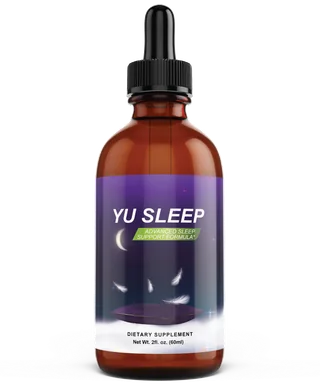 Yu Sleep
Liquid formula with owner-confirmed 0.9 mg melatonin per 2 mL serving and a 637 mg proprietary blend. The individual amounts of its seven blend ingredients are undisclosed.
View product details
More from Planet Wellness Report
Continue Reading

Sleep
How to Improve Sleep Quality Naturally: What to Change First
Trouble settling, repeated awakenings, unrefreshing sleep, or weekend shifts? Identify the pattern and choose what to address first.
6 min read

Sleep
Yu Sleep Review: A Known Melatonin Dose Inside an Undisclosed Blend
Yu Sleep’s owner-confirmed formula provides 0.9 mg melatonin in a 2 mL serving, plus a 637 mg blend whose seven ingredient amounts are hidden. Its liquid format is a preference feature; the disclosure cannot establish how much magnesium, theanine, apigenin, GABA or other blend constituents a serving supplies.
10 min read
Sleep
Magnesium vs L-Theanine for Sleep: Which One Makes More Sense?
Compare magnesium vs L-theanine for sleep, including how they differ, what the evidence shows, their potential roles in relaxation and sleep quality, safety, and when each may make more sense.
13 min read
Evidence
Sources
- Adrian L. Lopresti, Stephen J. Smith, Peter D. Drummond. Magnesium Supplementation for Sleep in Adults: A Systematic Review of Randomized Controlled Trials — Journal of Dietary Supplements / Taylor & Francis (Aug 28, 2026) · DOI
- Jasmine Mah, Tyler Pitre. Oral magnesium supplementation for insomnia in older adults: a Systematic Review & Meta-Analysis — BMC Complementary Medicine and Therapies (Apr 17, 2021) · DOI
- Magnesium Bisglycinate Supplementation in Healthy Adults Reporting Poor Sleep: A Randomized, Placebo-Controlled Trial — Nature and Science of Sleep (Jan 2, 2025)
- Magnesium — Health Professional Fact Sheet — NIH Office of Dietary Supplements (Jan 6, 2026)