
REVIEW
Advanced Memory Formula Review: Reading the Doses Behind the Ingredient List
Read Advanced Memory Formula’s alpha-GPC calculation, PS-complex ambiguity, ingredient-study limits, and dated package costs before choosing its two-tablet blend.
By Planet Wellness Report · Oct 10, 2026 · 8 min read
Editorial review and publication: Felipe Lopes, Publisher & Editor. This is an editorial review, not a medical review.

At a glance
Review summary
Two-tablet cognitive blend with individually listed ingredients. The GPC line implies about 125 mg alpha-GPC; the PS-complex amount does not specify pure phosphatidylserine content.
Check current pricingThe two-tablet formula lists individual amounts, but disclosure is uneven: its GPC line implies about 125 mg alpha-GPC, while 150 mg PS complex does not identify pure PS content. Some ingredients have human cognitive research; the current combination has no controlled efficacy trial verified in this review.
Documentary review of product information and research; no personal use or testing is claimed. How we review supplements.
Verdict: The useful feature is an inspectable two-tablet label. The main weakness is that ingredient weights and a wide selection do not provide a consistent match to clinical preparations. Consider it only if you specifically prefer this fixed combination and accept those gaps after a suitability check; skip it if you want a known pure PS dose, a closely matched single extract, or care for worsening memory.
Advanced Memory Formula makes an important distinction visible: a label can list every ingredient weight without telling you the usable amount of every constituent. Its two-tablet serving implies about 125 mg alpha-GPC, but the 150 mg phosphatidylserine-complex line leaves pure PS content unknown. Those differences matter more to this buying decision than the number of ingredients. [1]
We rechecked the manufacturer’s current panel and official offer on October 19, 2026, then compared their disclosures with the human research below. This is document analysis, not a report of taking the tablets, testing a batch, or measuring memory change.
What it is and how it is supplied
The current Supplement Facts panel specifies two tablets per serving and 30 servings per container—a 60-tablet supply. The official offer's suggested use is two tablets daily. These are tablets, not capsules. Advanced Bionutritionals identifies Formulation Technology, Inc. as the manufacturer and says production takes place in the USA using globally sourced ingredients. [1] [2] [3]
Read the disclosure in three groups: quantities whose identity is reasonably interpretable, amounts that differ from named research protocols, and complexes whose constituent content remains unclear. None of these groups establishes an effect of the whole tablet.
What the current Supplement Facts actually lists
Amounts below are per two-tablet serving, taken from the official panel checked for this review. [1]
Calcium: 130 mg; phosphorus: 66 mg; ginkgo leaf extract: 80 mg, standardized to at least 24% flavone glycosides and 6% terpene lactones; phosphatidylserine complex from soy lecithin: 150 mg.
Glycerophosphocholine from soy: 250 mg, supplying 50% alpha-GPC; acetyl L-carnitine: 250 mg; Bacopa leaf extract: 120 mg, standardized to at least 50% bacosides A and B; blueberry 4:1 fruit extract: 125 mg.
Luteolin: 30 mg; lecithin from soy: 100 mg; NeuroFactor whole coffee fruit decaffeinated concentrate: 100 mg. The panel declares soy and lists the tablet excipients. It does not list vinpocetine. Older promotional pages can show a different formula, so compare the bottle you are buying with this panel.
The 250 mg GPC ingredient supplies 50% alpha-GPC: 250 × 0.50 = about 125 mg alpha-GPC. Pure PS content cannot be calculated from the 150 mg soy-lecithin complex because its PS percentage is absent. NeuroFactor’s 100 mg can be compared by amount with the 100 mg coffee-fruit experiment below, but that experiment measured a blood biomarker, not memory improvement. [1] [11]

Bacopa: relevant human research, with extract differences
Bacopa is among the ingredients here with controlled human cognitive research. Systematic reviews have reported signals in particular memory or cognitive outcomes, but results differ across extracts, populations, and tests. A newer Bacumen trial did not find an advantage on its primary cognitive endpoints despite some secondary stress and fatigue findings. [4] [5] [6]
The Bacopa review included 300–450 mg/day of specific extracts for 12 weeks; this label has 120 mg with at least 50% bacosides A and B. Its higher declared percentage does not establish equivalent composition or activity across assays and extraction methods. The product amount is lower by extract weight, but this comparison cannot classify it as a proven ineffective dose. Our Bacopa evidence article explains the mixed findings. [1] [4]
Alpha-GPC and phosphatidylserine: promising contexts are not universal benefits
A systematic review and meta-analysis of alpha-GPC reported favorable cognitive outcomes in patients with adult-onset neurological disorders, including studies combining it with donepezil. That is a clinical treatment context, not direct evidence of an everyday memory boost for a healthy adult taking this formula. The preparation and amount should also be compared rather than inferred from the product's GPC line. [7]
For the broader context, see Alpha-GPC benefits, uses, and side effects. Neither clinical research nor a role in neurotransmitter biology establishes an immediate, noticeable improvement from this product.
A randomized six-month phosphatidylserine study included 78 Japanese adults with memory complaints and tested 100 or 300 mg/day against placebo. Overall neuropsychological scores improved in all groups; some memory findings were more favorable among participants with lower baseline scores. That is a more nuanced result than a blanket memory enhancement claim. It also does not directly validate an unspecified phosphatidylserine complex in a combination tablet. [8]
Ginkgo: evaluate the goal, not just the ingredient name
Ginkgo research differs by population and extract. NCCIH describes uncertainty about cognitive performance in healthy people and inconsistent evidence for some dementia symptoms. The large GEM prevention trial, involving more than 3,000 older adults, did not show reduced dementia incidence with 120 mg twice daily over a median of about six years. [9] [10]
The GEM trial used 120 mg twice daily, compared with this label’s 80 mg per daily serving. That is a disclosed amount below that trial’s 240 mg/day, not a recommendation to copy the trial: the trial did not prevent dementia. A dose match to a negative prevention result would not rescue a prevention claim. [1] [10]
Coffee fruit and blueberry: biomarkers and test results need context
An early coffee fruit experiment measured blood BDNF after a single 100 mg dose. It was a biomarker study, not a demonstration of improved memory or a younger brain. A later 28-day placebo-controlled study in 71 adults with mild cognitive decline reported faster reaction times on a working-memory task, while the main accuracy comparison was not significant. These are relevant ingredient signals rather than evidence for this finished formula. [11] [12]
Blueberry evidence is also variable. A 2026 systematic review and meta-analysis of healthy participants reported a vascular function benefit but no significant advantage on the pooled executive-function or mood outcomes. Products across blueberry trials differ, and a 125 mg 4:1 extract cannot be assumed equivalent to an intervention with a characterized anthocyanin content or whole berries. [13]
The remaining ingredients and the whole formula
Acetyl L-carnitine has been studied in cognitive disorders, but a critical review describes continuing uncertainty and the need for better, more consistent clinical trials. Mechanistic interest does not establish that the amount here improves memory in healthy users. [14]
Luteolin's inclusion may fit the manufacturer's biological rationale, but laboratory arguments about inflammation do not demonstrate a cognitive benefit from this tablet. Lecithin, calcium, and phosphorus likewise should not be treated as proof of improved recall simply because they participate in normal biological processes. A systematic review of supplements for cognitive performance in healthy adults found substantial uncertainty, inconsistency, and methodological limitations across the ingredients it assessed. It did not evaluate this exact product. [15]
No independent randomized trial of this exact Advanced Bionutritionals formula was verified in the product-name searches reviewed here. Matching a component’s amount can make a comparison interpretable; it cannot establish synergy, a reliable response rate, or a benefit from the combined tablets.
Safety and realistic use
The label declares soy, including soy-derived ingredients. Check this carefully if you have a soy allergy. Because several compounds are combined, review the full label with a pharmacist or clinician rather than checking only the headline botanical.
Ginkgo can interact with medicines and may increase bleeding risk with anticoagulants such as warfarin. NCCIH also notes concerns during pregnancy and limited breastfeeding information. Gastrointestinal symptoms, headache, and dizziness can occur with ginkgo; Bacopa can also cause gastrointestinal discomfort. These are ingredient-level cautions rather than measured adverse-event rates for this formula. [9] [16]
New, progressive, or function-limiting memory difficulties deserve assessment rather than an assumption that a supplement is the answer. For a broader approach, our articles on improving memory naturally and memory and aging cover habits and context beyond a purchase.
The price of the fixed combination
On October 19, 2026, the official offer listed one 30-serving bottle for $49.95, three for $134.85, and six for $249.00. Dividing the product totals by 30, 90, and 180 labeled servings gives about $1.67, $1.50, and $1.38 per serving. These are offer snapshots before any shipping or tax; confirm the checkout total and payment terms. The retail page was not retrievable for an independent price cross-check in this update. [2] [3]
The offer advertises a 90-day return window including empty bottles, with return shipping paid by the buyer. Earlier general-policy wording referred to unopened bottles; we could not re-retrieve that policy in this update. Confirm which written terms govern the order and retain them. Neither a refund promise nor a package discount establishes a cognitive result. [2] [17]
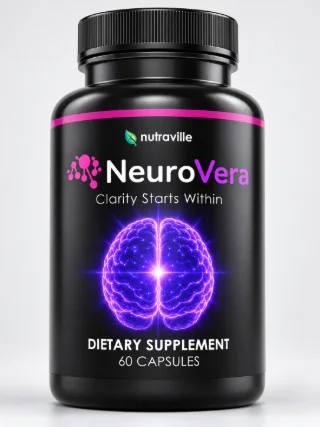
These calculations price this fixed formula, not the cost of reproducing a successful memory intervention. NeuroVera is retained below only as an adjacent capsule comparison: its two-capsule label lists 100 mg Bacopa without bacoside standardization and does not list this product’s GPC/PS combination. Our NeuroVera review explains those different disclosure problems. It is not a dose-equivalent substitute or a demonstrated better buy.
When the fixed combination is the deciding feature
Consider this product if the exact disclosed combination, tablet format, and verified package cost meet a preference you already have, and a medication/allergy review supports its use. The interpretable alpha-GPC arithmetic and declared botanical standardizations make parts of the label inspectable; they do not make the PS-complex line fully transparent.
Skip it if pure PS quantity or close alignment with one clinical preparation is your main criterion. Ingredient count cannot compensate for that mismatch. A disclosed PS percentage, clearer extract comparability, and a controlled trial of the current tablets with meaningful cognitive outcomes could change this assessment; a larger package discount alone would not.
Planet Wellness Report may earn a commission from qualifying purchases through product links. Our assessment of the evidence and editorial conclusions remain independent of those relationships.
Editorial update, October 19, 2026: Reframed the decision around constituent amounts, preparation matching, and dated per-serving costs; clarified why the retained capsule alternative answers a different formulation preference. This is a documentary reassessment; no personal use or clinical product test is claimed.
Was this article helpful?
Your anonymous response helps improve our editorial coverage.
Loading feedback options…
Share
Share this article
Selected references
Recommended products
More from Planet Wellness Report
Continue Reading
Focus
What to Look for in a Memory Supplement: Ingredients, Doses, and Evidence
Learn how to evaluate a memory supplement before buying: active amounts, standardized extracts, study populations, memory outcomes, and evidence for the complete formula.
12 min read

Focus
NeuroVera Review: Six Ingredients, Uneven Dose Transparency
NeuroVera discloses six ingredient weights in two capsules, but those numbers vary in interpretability. Bacopa lacks bacoside standardization, lion’s mane is a powder, and the DHA entry is marked 10%. Human evidence is more relevant for Bacopa and lion’s mane than for several other components, yet it does not validate this combination.
8 min read

Focus
Alpha-GPC: Benefits, Uses, Side Effects, and What the Evidence Says
Learn what Alpha-GPC is, how it relates to acetylcholine, what research says about memory and focus, possible side effects, and an important long-term safety signal.
14 min read
Evidence
Sources
- Advanced Memory Formula — Supplement Facts — Advanced Bionutritionals
- Advanced Memory Formula — Official offer and FAQ — Advanced Bionutritionals
- Advanced Memory Formula — Official product page — Advanced Bionutritionals
- Matthew P. Pase; J. Kean; J. Sarris; C. Neale; A. B. Scholey; C. Stough. The cognitive-enhancing effects of Bacopa monnieri: a systematic review of randomized, controlled human clinical trials — Journal of Alternative and Complementary Medicine (Jul 2, 2012) · DOI
- Kongkeaw C, Dilokthornsakul P, Thanarangsarit P, Limpeanchob N, Norman Scholfield C.. Meta-analysis of randomized controlled trials on cognitive effects of Bacopa monnieri extract — Journal of ethnopharmacology (Nov 16, 2013) · DOI
- A. L. Lopresti; S. J. Smith. The Effects of a Bacopa monnieri Extract (Bacumen®) on Cognition, Stress, and Fatigue in Healthy Adults: A Randomized, Double-Blind, Placebo-Controlled Trial — Clinical Drug Investigation · DOI
- Activity of Choline Alphoscerate on Adult-Onset Cognitive Dysfunctions: A Systematic Review and Meta-Analysis — Journal of Alzheimer's Disease (Jan 1, 2023) · DOI
- Kato-Kataoka A, Sakai M, Ebina R, Nonaka C, Asano T, Miyamori T.. Soybean-derived phosphatidylserine improves memory function of the elderly Japanese subjects with memory complaints — Journal of clinical biochemistry and nutrition · DOI
- Ginkgo: Usefulness and Safety — National Center for Complementary and Integrative Health
- DeKosky ST, Williamson JD, Fitzpatrick AL, Kronmal RA, Ives DG, Saxton JA, Lopez OL, Burke G, Carlson MC, Fried LP, Kuller LH, Robbins JA, Tracy RP, Woolard NF, Dunn L, Snitz BE, Nahin RL, Furberg CD, Ginkgo Evaluation of Memory (GEM) Study Investigators.. Ginkgo biloba for prevention of dementia: a randomized controlled trial — JAMA · DOI
- Reyes-Izquierdo T, Nemzer B, Shu C, Huynh L, Argumedo R, Keller R, Pietrzkowski Z.. Modulatory effect of coffee fruit extract on plasma levels of brain-derived neurotrophic factor in healthy subjects — The British journal of nutrition · DOI
- Robinson JL, Hunter JM, Reyes-Izquierdo T, Argumedo R, Brizuela-Bastien J, Keller R, Pietrzkowski ZJ.. Cognitive short- and long-term effects of coffee cherry extract in older adults with mild cognitive decline — Neuropsychology, development, and cognition. Section B, Aging, neuropsychology and cognition · DOI
- He Y, Yang J, Zhang S, Mai J, Li M.. Blueberry consumption enhances vascular function but not cognitive abilities in healthy individuals: a systematic review and meta-analysis — Nutrition research (New York, N.Y.) · DOI
- Pennisi M, Lanza G, Cantone M, D'Amico E, Fisicaro F, Puglisi V, Vinciguerra L, Bella R, Vicari E, Malaguarnera G.. Acetyl-L-Carnitine in Dementia and Other Cognitive Disorders: A Critical Update — Nutrients · DOI
- Cindy Crawford, Courtney Boyd, Patricia A. Deuster. Dietary Supplement Ingredients for Optimizing Cognitive Performance Among Healthy Adults: A Systematic Review — Journal of Alternative and Complementary Medicine (Nov 1, 2021) · DOI
- Eric A Walker; Mark V Pellegrini. Bacopa monnieri — StatPearls Publishing
- Shipping and Returns — Advanced Bionutritionals